
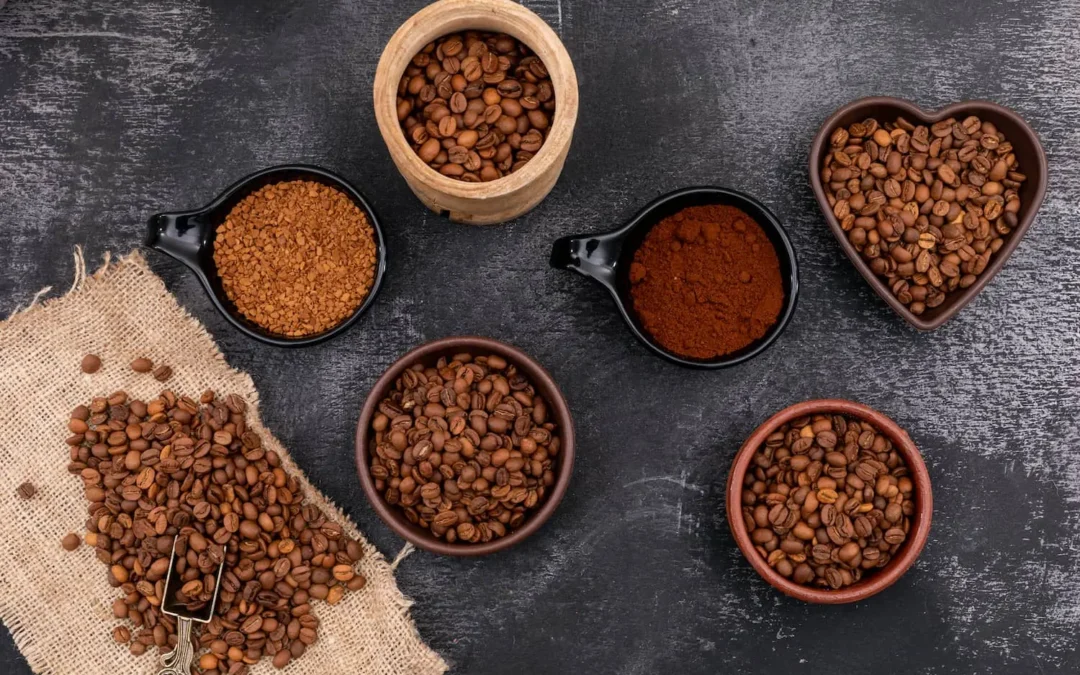
How Indonesian coffee varieties earned their bold reputation through geography, processing, and centuries of tradition
Indonesian coffee varieties that define bold character
Indonesian coffee varieties are known for strong personalities. Some drinkers love their depth and texture, while others need time to understand them. This article explores Indonesian coffee varieties from geography and processing to flavor, culture, and global relevance, offering a clear view of why they remain essential in the coffee world
Indonesian coffee varieties are shaped by Indonesia’s geography
Indonesian coffee varieties exist because Indonesia itself is complex. Stretching across thousands of islands along the Pacific Ring of Fire, the country offers volcanic soil, tropical rainfall, and diverse elevations. These conditions give Indonesian coffee varieties their unmistakable structure and intensity.
Most Indonesian coffee varieties grow between 900 and 1,600 meters above sea level. Volcanic ash enriches the soil with minerals, while forest shade slows cherry maturation. This long growing cycle allows sugars to develop gradually, contributing to the heavy body associated with Indonesian coffee varieties.
Historically, kopi cultivation in Indonesia began during the Dutch colonial period. According to historical records documented on Wikipedia, coffee was introduced in the late 17th century and quickly became a major export, particularly from Java and Sumatra.
Rainfall patterns also matter. Indonesia’s humid climate makes fully washed processing difficult, which has led to alternative methods that now define Indonesian coffee varieties. Arabica dominates higher elevations, while Robusta thrives at lower altitudes, making Indonesia one of the world’s largest Robusta producers.
Smallholder farmers grow most Indonesian coffee varieties. Coffee trees are often intercropped with spices, fruit trees, and timber plants. This biodiversity supports soil health and adds subtle complexity to the cup, reinforcing why Indonesian coffee varieties cannot be reduced to a single flavor profile.
Indonesian coffee varieties and traditional processing methods
Processing plays a central role in shaping Indonesian coffee varieties. The most influential method is wet-hulling, locally known as giling basah. This technique was developed as a response to constant humidity and limited drying space.
In wet-hulling, parchment is removed while beans still contain high moisture. The beans are then dried after hulling. This method lowers acidity and emphasizes body, creating the earthy, woody, and cocoa-driven notes commonly associated with Indonesian coffee varieties.
Sumatra is the best-known region for wet-hulled Indonesian coffee varieties. Mandheling, Gayo, and Lintong coffees often show flavors of dark chocolate, cedar, dried herbs, and mild spice. These traits make Indonesian coffee varieties popular in espresso blends.
Not all Indonesian coffee varieties use this process. Java’s estate coffees are often fully washed, a legacy of colonial infrastructure. These coffees show cleaner profiles with nutty sweetness and gentle spice. Bali’s Kintamani region frequently uses washed or honey processing, producing brighter Indonesian coffee varieties with citrus and floral notes.
The Specialty Coffee Association has highlighted how processing diversity influences cup quality, noting that Indonesian coffee challenges traditional assumptions about acidity and balance in specialty standards.
Indonesian coffee varieties across major producing regions
Regional diversity is key to understanding Indonesian coffee varieties. Each island contributes distinct characteristics shaped by environment and culture.
Sumatra remains the most recognized source of Indonesian coffee varieties. Coffee from Aceh and North Sumatra is heavy-bodied and intense. Sulawesi, particularly Toraja, produces Indonesian coffee varieties known for balance, combining depth with elegance and subtle sweetness.
Java offers a more restrained expression. Estate-grown Indonesian coffee varieties from Java are typically washed, producing clean cups with cocoa, spice, and mild acidity. Flores and Papua add further range, offering sweetness, tobacco notes, and occasional brightness.
Bali’s Kintamani region stands apart. These Indonesian coffee varieties grow near citrus farms and volcanic slopes, resulting in a lighter body and fresh acidity. They challenge the idea that Indonesian coffee varieties are always earthy and dark.
Research by World Coffee Research shows that coffee beans from Indonesia represent valuable genetic diversity, helping preserve resilience against disease and climate change.
Indonesian coffee varieties in the global coffee market
Indonesian coffee varieties play a complex role in the global market. Historically used in blends, they are now increasingly featured as single-origin offerings.
Many roasters rely on Indonesian coffee to add weight, crema, and depth to espresso. Global coffee media such as Perfect Daily Grind often discuss how Indonesian origins contribute to structure rather than sharp acidity.
Sustainability remains a challenge. Most Indonesian coffee varieties come from smallholder farms with limited infrastructure. Certification programs and cooperative models aim to improve income stability while protecting ecosystems.
On a global scale, coffee from Indonesia remains commercially significant. Data published by the International Coffee Organization consistently ranks Indonesia among the top-producing countries worldwide.
Despite climate risks, demand for Indonesian coffee varieties remains strong, especially among buyers seeking bold flavor profiles and origin stories rooted in tradition.
Indonesian coffee varieties and brewing for the best flavor
Brewing plays a crucial role in how Indonesian coffee varieties are experienced. Their heavy body and low acidity respond differently from high-grown coffees from other regions.
Wet-hulled Indonesian coffee varieties perform well in immersion methods such as the French press, which emphasize texture. Espresso brewing highlights chocolate, spice, and syrupy body, explaining their long-standing use in blends.
Washed Indonesian coffee varieties benefit from pour-over methods that highlight clarity. Using moderate temperatures and careful extraction preserves sweetness without bitterness.
Grinding fresh and adjusting ratios helps unlock the full character of Indonesian coffee varieties. With the right approach, these coffees reveal complexity beyond their reputation for intensity.
Conclusion
Indonesian coffee varieties reflect geography, tradition, and adaptation. From wet-hulled Sumatra to bright Bali, Indonesian coffee varieties offer depth and diversity unmatched by many origins. Their bold flavors, cultural roots, and global importance ensure they remain essential for anyone seeking character-driven coffee.
Source: Image by 8photo on Freepik