
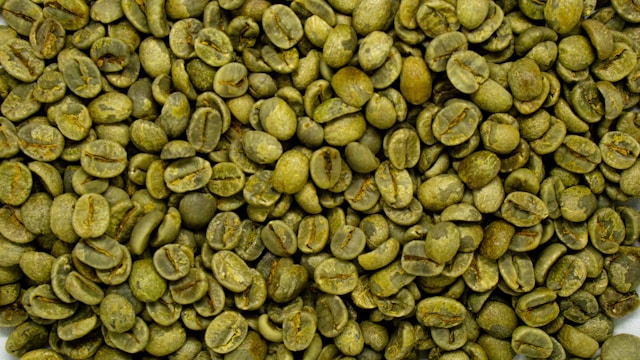
Photo by wisnu dwi wibowo on Unsplash
Introduction
If you work in coffee sourcing, roasting, or specialty retail, you’ve probably asked yourself this question: why do professionals keep choosing Indonesian green coffee beans? Within the first few batches, the answer becomes clear. Indonesian green coffee beans offer unique flavor profiles, stable supply, and a heritage that few origins can match. In this guide, we’ll explore what makes them special, how to source them, pricing considerations, and practical tips for professionals who want consistency and quality without surprise.
What Are Indonesian Green Coffee Beans?
Indonesian green coffee beans are unroasted coffee beans harvested across the Indonesian archipelago. Indonesia is one of the world’s largest coffee producers, known for diverse microclimates and traditional post-harvest methods.
Key producing regions include:
- Sumatra
- Java
- Sulawesi
- Bali
- Flores
According to Coffee production in Indonesia, Indonesia consistently ranks among the top global coffee exporters, supplying both Coffea arabica and Coffea canephora varieties.
Why Indonesian Green Coffee Beans Are Highly Valued
Professionals choose Indonesian origins for several commercial and sensory reasons:
- Distinctive flavor: earthy, herbal, spicy, and chocolatey notes
- Wet-hulled processing (Giling Basah) is unique to Indonesia
- Reliable production volumes for export contracts
- Strong demand in specialty and commercial markets
If your clients want depth and complexity, Indonesian green coffee beans rarely disappoint.
Flavor Profiles of Indonesian Green Coffee Beans
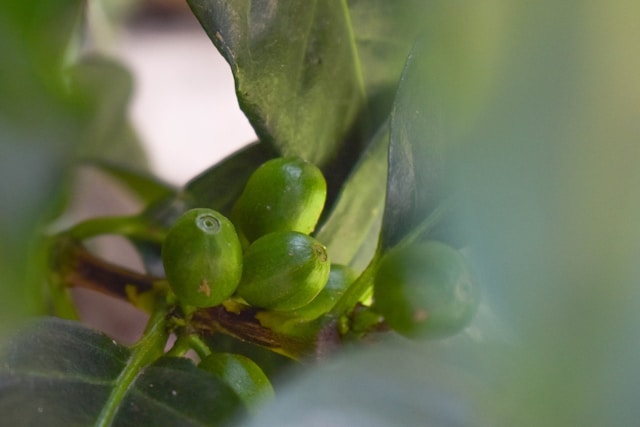
Photo byIrina Inga onUnsplash
Sumatra
- Full body
- Low acidity
- Notes: cedar, cocoa, herbs
Java
- Clean and balanced
- Mild acidity
- Notes: nutty, sweet spice
Sulawesi (Toraja)
- Smooth mouthfeel
- Complex sweetness
- Notes: dark chocolate, ripe fruit
These profiles make Indonesian green coffee beans ideal for espresso blends and single-origin offerings.
Processing Methods Used in Indonesia
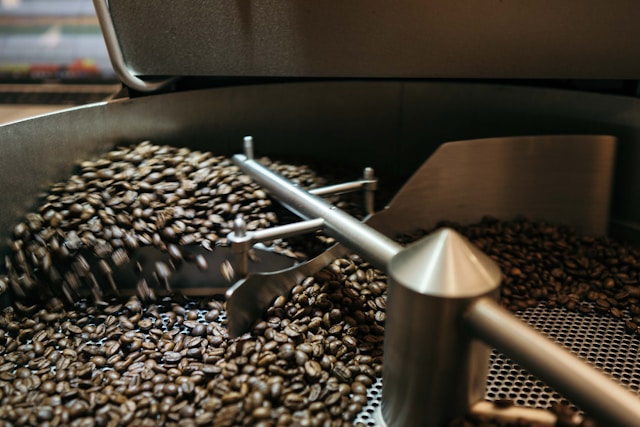
Photo byBattlecreek Coffee Roasters onUnsplash
The defining method is wet-hulling (Giling Basah):
- Coffee cherries are pulped soon after harvest
- Beans are partially dried
- Parchment is removed at high moisture levels
This method contributes to:
- Lower acidity
- Heavier body
- Signature earthy notes
Professionals often seek this profile to differentiate their roasted products.
Indonesian Green Coffee Beans for Commercial Use
Indonesian green coffee beans are widely used in:
- Specialty roasteries
- Espresso blends
- Ready-to-drink coffee manufacturing
- Private-label brands
Why importers prefer them
- Stable year-round demand
- Scalable volumes
- Competitive pricing compared to Latin American origins
Thinking about expanding your portfolio? Indonesian origins offer both uniqueness and reliability.
Quality Grading and Standards
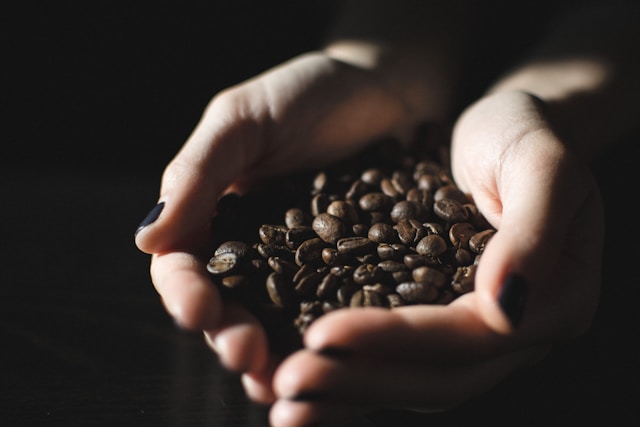
Photo byJakub Kapusnak onUnsplash
Indonesia uses a defect-based grading system:
- Grade 1: ≤11 defects
- Grade 2: ≤25 defects
- Grade 3: ≤44 defects
Professional buyers usually target Grade 1 or specialty micro-lots for premium markets.
How to Source Indonesian Green Coffee Beans Safely
When sourcing Indonesian green coffee beans, professionals should evaluate:
- Exporter reputation
- Traceability (farm or cooperative level)
- Moisture content (10–12%)
- Certifications (Organic, Fair Trade, Rainforest Alliance)
Pro tip: Work with suppliers who provide pre-shipment samples and third-party quality inspections.
For background knowledge, see Wikipedia’s overview of Indonesia’s role in the global coffee trade.
Pricing Trends and Market Outlook (2026)
Prices depend on:
- Origin and grade
- Global coffee futures
- Shipping and logistics costs
Average FOB pricing (indicative):
- Arabica: USD 4.50–7.50/kg
- Robusta: USD 2.80–4.20/kg
With rising specialty demand, Indonesian green coffee beans are expected to maintain strong market value through 2026.
Sustainability and Ethical Considerations
Many Indonesian farms are smallholder-based. Ethical sourcing supports:
- Farmer income stability
- Environmental protection
- Long-term supply security
Choosing traceable Indonesian green coffee beans helps your brand align with sustainability expectations.
Frequently Asked Questions (FAQ)
Q: What are Indonesian green coffee beans?
A: Indonesian green coffee beans are unroasted coffee beans grown in Indonesia, one of the world’s top coffee-producing countries. They are well known for their earthy, herbal, and full-bodied flavor profiles, which are largely influenced by Indonesia’s climate, volcanic soil, and traditional wet-hulled (Giling Basah) processing method.
Q: How are Indonesian green coffee beans processed?
A: Most Indonesian green coffee beans are processed using the wet-hulled method, locally known as Giling Basah. In this process, beans are hulled while still moist, resulting in lower acidity, a heavier body, and the distinctive earthy taste that many roasters value for espresso and blends.
Q: Why are Indonesian green coffee beans important for professionals?
A: Indonesian green coffee beans are important because they offer a consistent supply, unique flavor characteristics, and strong market demand. For professional roasters, importers, and coffee brands, they provide versatility for blends, single-origin products, and long-term sourcing strategies.
Q: How much do Indonesian green coffee beans cost?
A: Pricing varies based on origin, grade, certification, and market conditions. On average, Indonesian Arabica green coffee beans range from USD 4.50 to 7.50 per kilogram, while Robusta typically ranges from USD 2.80 to 4.20 per kilogram (FOB pricing).
Conclusion
For professionals seeking consistency, character, and commercial value, Indonesian green coffee beans remain a smart investment. With proper sourcing and quality control, they can elevate product offerings and strengthen long-term supply chains. Ready to explore Indonesian origins for your next roast?