
Introduction
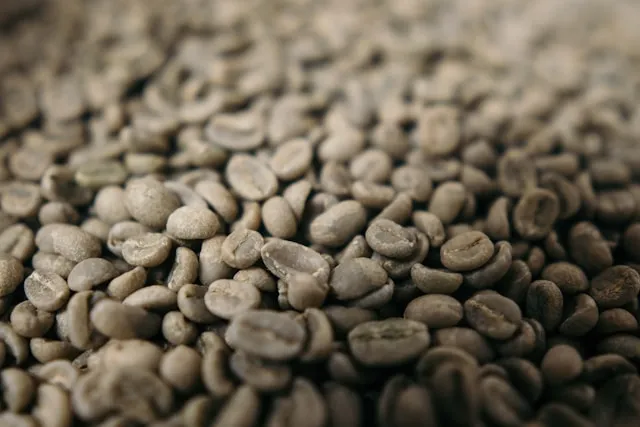
If you work in the coffee industry, chances are you’ve heard about green coffee beans Indonesia more than once. From specialty roasters to global traders, Indonesian green coffee has become a strategic choice thanks to its distinctive flavor profiles, reliable supply, and strong market reputation. But what makes it truly stand out? And how can professionals source it effectively without compromising quality or margins?
In this guide, we’ll explore origins, varieties, processing methods, pricing, and sourcing strategies—so you can confidently evaluate Indonesian green coffee beans for commercial or specialty use.
Why green coffee beans Indonesia Are Highly Valued
Indonesia is one of the world’s largest coffee producers, alongside Brazil and Vietnam. According to data summarized on Indonesia’s coffee history (see Wikipedia), the country has been exporting coffee since the 17th century.
Key reasons professionals choose Indonesian green coffee:
- Unique terroir: Volcanic soil creates earthy, complex flavors
- Wide variety: Arabica, Robusta, and specialty microlots
- Strong traceability: Growing focus on origin transparency
- Year-round availability: Multiple harvest cycles across regions
For buyers targeting differentiation, Indonesian origins offer flavors that are hard to replicate elsewhere.
Major Coffee-Growing Regions in Indonesia
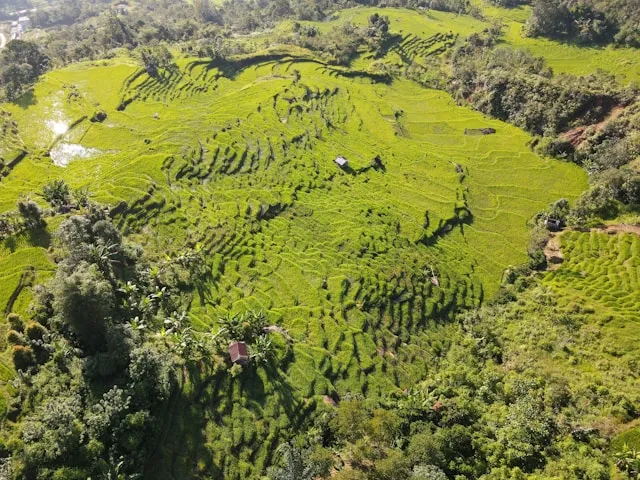
Photo byahmad hidayatonUnsplash
1. Sumatra
Known for full body, low acidity, and earthy notes, Sumatra green beans are often wet-hulled, creating a signature profile loved by specialty roasters.
2. Java
Historically famous, Java coffee offers cleaner cups with mild spice and chocolate tones, making it ideal for blends.
3. Sulawesi
Sulawesi beans balance sweetness and body, often with nutty and fruity undertones.
4. Bali (Kintamani)
Typically brighter and citrus-forward, Bali coffee appeals to professionals seeking lighter roast potential.
Processing Methods Used for green coffee beans Indonesia
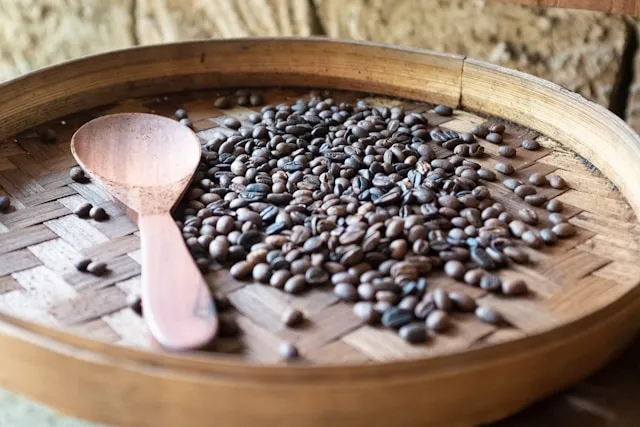
Photo byRobert Tjalondo onUnsplash
Processing plays a major role in flavor development.
Common methods include:
- Wet-hulled (Giling Basah): Unique to Indonesia, produces earthy and herbal notes
- Washed: Cleaner cup, higher acidity
- Natural / Honey: Emerging trend for specialty markets
Wet-hulling, in particular, is a major differentiator of green coffee beans Indonesia compared to other origins.
Quality Standards and Grading System
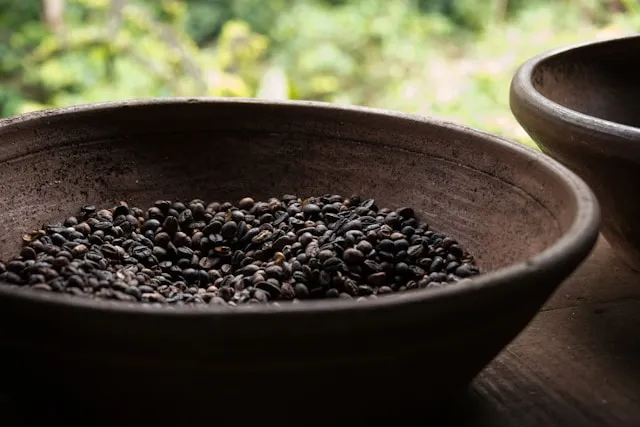
Photo byAndrey Bond onUnsplash
Professionals sourcing Indonesian green coffee should understand local grading practices.
Typical quality indicators:
- Bean size and density
- Defect count per 300g
- Moisture content (ideally 10–12%)
- Cup score (specialty ≥ 80 points)
Many exporters now align grading with SCA standards, improving consistency for international buyers.
Pricing and Market Trends (Commercial Insight)
Average price ranges (indicative):
- Commercial grade: USD 3–5/kg
- Specialty grade: USD 6–12/kg
- Microlots: USD 15+/kg
Price drivers include:
- Global coffee futures
- Climate conditions
- Processing method
- Certification (Organic, Fair Trade)
Tip: Long-term contracts often secure better pricing and supply stability.
How Professionals Source green coffee beans Indonesia
Popular sourcing channels:
- Direct trade with farmers or cooperatives
- Licensed exporters based in Indonesia
- International green coffee importers
Best practices for buyers:
- Request pre-shipment samples
- Verify certifications
- Confirm moisture and defect reports
- Clarify Incoterms (FOB, CIF, EXW)
If you’re new to sourcing, starting with an experienced exporter reduces operational risk.
Sustainability and Certifications
Indonesia has made significant progress in sustainable coffee production.
Common certifications include:
- Organic
- Fairtrade
- Rainforest Alliance
These certifications not only support farmers but also enhance brand trust in global markets.
For background on sustainability efforts, see the coffee section on Wikipedia.
👉 Looking to source reliable green coffee beans Indonesia for your business? Now is the right time to explore long-term partnerships before peak season pricing.
FAQ
Q: What are green coffee beans Indonesia?
A: Green coffee beans Indonesia are unroasted coffee beans produced in Indonesia. They are valued for their diverse flavor profiles, volcanic soil influence, and unique processing methods like wet-hulling.
Q: How do professionals source green coffee beans Indonesia?
A: Most professionals source through exporters, direct trade with cooperatives, or global importers. Sampling, quality reports, and contract clarity are essential steps.
Q: Why are green coffee beans Indonesia important in the global market?
A: Indonesia offers consistent supply, unique taste profiles, and competitive pricing, making it a strategic origin for both specialty and commercial coffee.
Q: How much do green coffee beans Indonesia cost?
A: Prices range from USD 3–5/kg for commercial grades and up to USD 15+/kg for specialty microlots, depending on quality and certifications.
Q: How long does it take to export green coffee beans Indonesia?
A: Typically 4–8 weeks, including processing, documentation, and shipping, depending on destination and logistics.
Q: green coffee beans Indonesia vs Brazil—Which is better?
A: Indonesia excels in body and earthy notes, while Brazil offers nutty, chocolatey profiles. The “better” option depends on roast goals and target market.
Q: What certifications are needed for green coffee beans Indonesia?
A: While not mandatory, certifications like Organic or Fairtrade add market value and improve buyer confidence.
Q: When is the best time to buy green coffee beans Indonesia?
A: Shortly after harvest seasons (June–September) when quality is highest and pricing is more favorable.
Conclusion
For professionals seeking depth, consistency, and market flexibility, green coffee beans Indonesia remain a top-tier choice. With the right sourcing strategy and quality control, Indonesian green coffee can strengthen both product offerings and long-term profitability.