
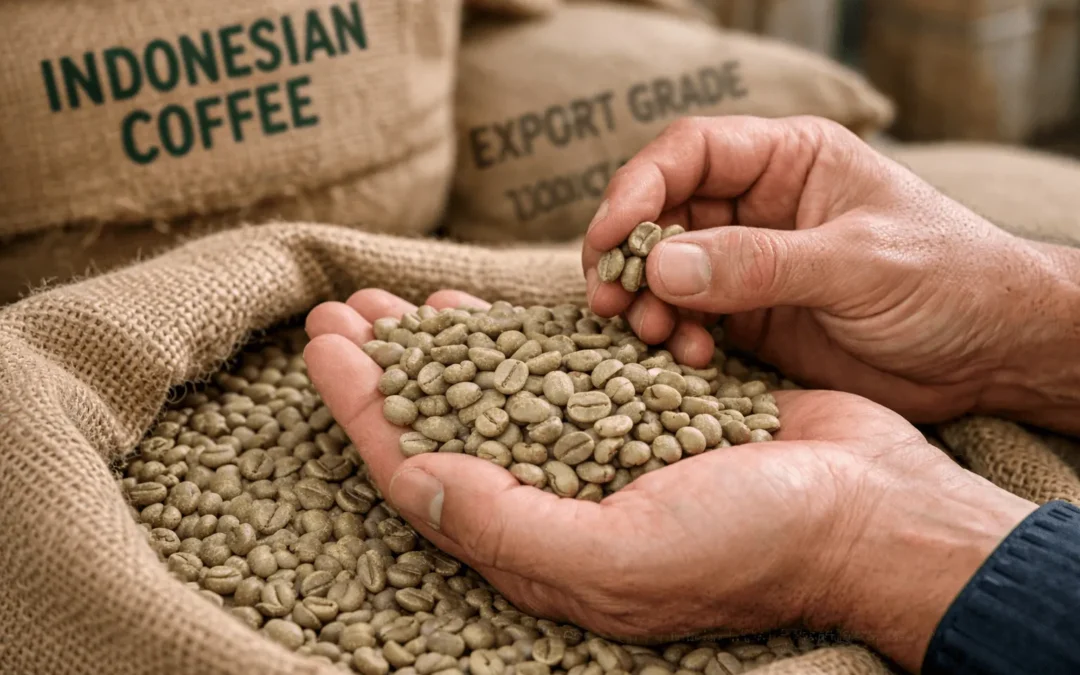
Indonesia is one of the world’s largest coffee producers, and choosing the right coffee exporter Indonesia can determine whether your business thrives or struggles in the global market. Are you looking for reliable supply, specialty-grade beans, or long-term commercial contracts? In this article, we’ll explore how coffee exporters operate, what makes Indonesia unique, and how professionals can build profitable trade partnerships.
The Strategic Role of Coffee Exporter Indonesia in Global Markets
Indonesia ranks among the top coffee-producing countries globally. According to the International Coffee Organization, Indonesia consistently places in the top five exporters worldwide. The country is especially known for its Robusta and specialty Arabica beans grown across diverse islands.
A professional coffee exporter Indonesia acts as a bridge between:
- Local farmers and cooperatives
- International buyers and roasters
- Logistics providers and customs authorities
This ecosystem ensures compliance, quality assurance, and competitive pricing.
Indonesia’s Coffee Production Landscape
Indonesia’s geography plays a crucial role. Coffee is cultivated in regions such as:
- Sumatra
- Java
- Sulawesi
- Bali
- Flores
Each region produces beans with distinct flavor profiles. For example, Sumatran coffee is known for its earthy and full-bodied taste, while Java coffee offers a smoother and slightly sweet profile.
For more detailed information on Indonesia’s coffee history and production, you can refer to Wikipedia’s page on Indonesian coffee.
Why the coffee exporter Indonesia is a Smart Commercial Choice
If you are a professional buyer or distributor, Indonesia offers both scale and quality. Here’s why many global brands rely on Indonesian suppliers:
1. Diverse Coffee Varieties
Indonesia produces both Arabica (around 25%) and Robusta (around 75%), making it ideal for:
- Espresso blends
- Instant coffee production
- Specialty single-origin offerings
2. Competitive Pricing
Compared to Latin American markets, Indonesian coffee often offers:
- Lower production costs
- Flexible MOQ (Minimum Order Quantity)
- Competitive export pricing
3. Specialty and Sustainable Options
Many exporters now offer:
- Organic certification
- Fair Trade compliance
- Rainforest Alliance standards
Professionals increasingly demand traceability. A reliable coffee exporter Indonesia provides detailed documentation, including origin traceability and phytosanitary certificates.
Looking to scale your sourcing strategy? Partnering with verified exporters reduces supply chain risks significantly.
Seminyak Brewspace and the Rise of Specialty Coffee Hubs
In Bali, specialty coffee culture is growing rapidly. One notable example is Seminyak Brewspace, a modern hub connecting coffee professionals, exporters, and specialty roasters.
While traditionally known as a tourist destination, Bali has become:
- A networking center for global coffee buyers
- A showcase platform for Indonesian specialty beans
- A meeting point between exporters and hospitality professionals
Spaces like Seminyak Brewspace help bridge commercial transactions and brand storytelling. Professionals visiting Indonesia often use such hubs to:
- Conduct tasting sessions
- Evaluate bean quality
- Negotiate bulk contracts
If you operate in hospitality or specialty roasting, connecting with exporters through collaborative spaces can accelerate partnerships.
How to Choose the Right coffee exporter Indonesia
Selecting the right partner is critical. Here’s a practical checklist professionals use:
Verify Legal Compliance
Ensure the exporter has:
- NIB (Business Identification Number)
- Export license
- Registered customs documentation
Check Quality Control Processes
Ask about:
- Moisture content testing
- Cupping scores
- Grading standards
Professional exporters typically follow SCAA or international cupping protocols.
Review Logistics Capabilities
A good exporter should offer:
- FOB and CIF shipping terms
- Container consolidation
- Export documentation handling
Shipping time from Indonesia to Europe or the US typically ranges from 3–6 weeks, depending on port destination.
Request Samples
Before committing to bulk orders:
- Request green bean samples
- Conduct independent cupping tests
- Confirm flavor consistency
Pro Tip: Never skip sample validation. It protects your brand reputation.
Cost Structure and Profit Potential
Understanding the cost breakdown helps you evaluate profitability.
Key Cost Components
- Farm gate price
- Processing and grading
- Export handling fees
- Freight and insurance
- Import duties (destination country)
On average, green coffee export prices vary depending on global commodity indexes and quality grade.
Profit Margin Opportunities
Professionals can leverage:
- Direct trade relationships
- Long-term supply contracts
- Specialty niche positioning
High-quality specialty beans can command premium prices in international markets.
If you’re interested in optimizing supply chains, explore our internal guide on global coffee sourcing strategies and sustainable procurement practices.
Common Challenges in Coffee Export
Even though opportunities are huge, challenges exist.
Climate and Production Risks
Indonesia’s tropical climate can cause:
- Excess rainfall
- Crop diseases
- Yield fluctuations
Logistics Delays
Port congestion or documentation issues may delay shipments.
Currency Volatility
Exchange rate fluctuations affect pricing agreements.
A reliable coffee exporter in Indonesia mitigates these risks through diversified sourcing and forward contracts.
Step-by-Step Process to Start Importing
If you’re new to Indonesian sourcing, here’s a simplified roadmap:
- Identify your coffee profile needs
- Shortlist certified exporters
- Request samples and lab analysis
- Negotiate pricing and MOQs
- Finalize contract and payment terms
- Arrange shipping and customs clearance
This structured approach reduces operational surprises.
Frequently Asked Questions (FAQ)
Q: What is coffee exporter Indonesia?
A: coffee exporter Indonesia refers to a company or individual that connects Indonesian coffee farmers and producers with international buyers. They manage sourcing, processing, quality control, export documentation, and international shipping to ensure coffee meets global trade standards.
Q: How to choose a reliable coffee exporter Indonesia?
A: Start by verifying business licenses, export permits, and certifications. Request green bean samples, review cupping scores, and assess their logistics capabilities. A trustworthy exporter will provide transparent documentation and clear communication throughout the transaction.
Q: Why is coffee exporter Indonesia important for global businesses?
A: Indonesia is one of the world’s largest coffee producers. A professional exporter ensures a stable supply, consistent quality, regulatory compliance, and efficient shipping. This reduces operational risk and supports long-term profitability.
Q: How much does it cost to work with coffee exporter Indonesia?
A: Costs vary depending on coffee type, volume, grade, and destination. Pricing usually includes farm gate price, processing, export documentation, freight, and insurance. Specialty beans may command premium pricing.
Q: How long does it take to import coffee from Indonesia?
A: Shipping typically takes 3–6 weeks, depending on the destination country and port conditions. Processing and export documentation may add additional preparation time before shipment.
Q: coffee exporter Indonesia vs international broker, which is better?
A: Working directly with a coffee exporter Indonesia often offers better pricing transparency and stronger traceability compared to brokers. However, brokers may simplify sourcing for smaller buyers.
Q: What is required to import coffee from Indonesia?
A: Importers need import licenses, purchase contracts, customs clearance documentation, and quality certificates such as phytosanitary certificates. Compliance with destination country regulations is essential.
Q: When is the best time to buy coffee from Indonesia?
A: The best time is typically shortly after harvest seasons, which vary by region such as Sumatra, Java, or Sulawesi. Buying post-harvest often ensures better availability and competitive pricing.
Conclusion
The global coffee industry continues to grow, and partnering with a professional coffee exporter Indonesia opens doors to scalable, profitable opportunities. Whether you’re sourcing for retail, hospitality, or manufacturing, the right exporter ensures quality, reliability, and compliance.
Ready to build your supply chain advantage? Start by shortlisting certified exporters and conducting professional sample evaluations today.
Sources:
- International Coffee Organization
- Wikipedia Indonesian coffee page