
How famous coffee beans in Indonesia drive international trade, quality standards, and long-term buyer demand
Famous Coffee Beans in Indonesia and Their Global Export Reputation
Famous coffee beans in Indonesia have earned global recognition not only for their flavor but also for their reliability in international trade. From historic plantations to modern smallholder farms, famous coffee beans in Indonesia supply export markets with consistency, diversity, and strong origin identity. This article explores how famous coffee beans in Indonesia shape global coffee exports, quality standards, and long-term buyer confidence.
The historical foundation of famous coffee beans in Indonesia
The story of famous coffee beans in Indonesia begins in the late 17th century, when Arabica coffee was introduced to Java during the Dutch colonial period. Java quickly became one of the most important coffee-producing regions in the world, to the point where “java” entered the global vocabulary as a synonym for coffee. Historical production data and colonial trade routes are well documented in records on Wikipedia’s Indonesian coffee production overview, which detail how Indonesia emerged as an early export powerhouse.
By the 18th century, famous coffee beans in Indonesia were already circulating through European markets. Large-scale plantations focused on export volumes, establishing Indonesia as a dependable origin. However, the outbreak of coffee leaf rust in the late 1800s forced major changes. Many Arabica farms were replaced with Robusta, a more resilient species that remains critical to Indonesia’s export portfolio today.
After independence, the structure of the coffee industry shifted. Smallholder farmers became the backbone of production, accounting for more than 90 percent of national output. Despite this decentralization, famous coffee beans in Indonesia retained their export strength due to collective processing, cooperative systems, and regional branding.
This historical evolution explains why famous coffee beans in Indonesia combine tradition with adaptability. Their long export history continues to influence buyer perception, especially among importers seeking origins with proven supply continuity.
Famous coffee beans in Indonesia and export-driven growing regions
Geography is a defining factor behind the export success of famous coffee beans in Indonesia. The country’s volcanic soil, tropical climate, and high-altitude landscapes create ideal conditions for producing coffee beans suited for international markets.
Sumatra stands at the center of Indonesia’s export identity. Regions such as Mandheling, Lintong, and Gayo produce famous coffee beans in Indonesia known for their heavy body and low acidity. These profiles are particularly valued in European and Middle Eastern markets. Export demand for Sumatran coffee is often linked to its blending strength, a quality frequently discussed in global coffee trade analysis published by Perfect Daily Grind.
Java remains historically significant. East Java estates continue to export washed Arabica with clean and balanced profiles. These coffees appeal to buyers looking for consistency and traceability, especially in long-term contracts.
Sulawesi’s Toraja region produces famous coffee beans in Indonesia that are more niche but highly valued. Their spicy, complex flavor profile attracts specialty buyers willing to pay premium prices for limited-volume lots.
Bali’s Kintamani region contributes a different export angle. With brighter acidity and citrus notes, these famous coffee beans in Indonesia appeal to specialty roasters seeking differentiation. The region’s organized farmer groups also improve export readiness.
Each region plays a distinct role, allowing Indonesia to serve multiple export segments without relying on a single profile.
Processing systems that define famous coffee beans in Indonesia
Processing is one of the most important elements shaping famous coffee beans in Indonesia for export markets. The most distinctive method is wet hulling, locally known as giling basah. This process removes parchment at higher moisture levels, creating green coffee beans with a bluish hue and a flavor profile that stands apart globally.
Wet hulling developed as a response to Indonesia’s humid climate and limited drying infrastructure. Over time, it became a defining characteristic rather than a limitation. According to research referenced by the Specialty Coffee Association, this processing method contributes to the heavy body and muted acidity preferred in many export blends.
For exporters, wet-hulled coffee beans in Indonesia offer stability during shipping. The resulting flavor profile holds up well after long transit times, making it suitable for distant markets such as Europe and North America.
In addition to wet hulling, washed and honey processes are gaining traction, particularly in Bali and parts of Java. These methods improve clarity and acidity, helping Indonesian exporters meet evolving specialty market demands.
Quality control remains critical. Many exporters follow protocols recommended by the Coffee Quality Institute, including moisture management and defect screening, to ensure export-grade consistency.
Processing methods are not only technical choices but commercial strategies that position famous coffee beans in Indonesia for different buyer expectations.
Flavor characteristics that support famous coffee beans in Indonesia’s exports
The flavor profile of famous coffee beans in Indonesia plays a direct role in export demand. Buyers often describe Indonesian coffee as bold, earthy, and full-bodied. These traits make it particularly attractive for espresso blends and darker roast profiles.
Earthy notes such as forest floor, cocoa, and cedar are common, especially in Sumatran coffees. This profile contrasts sharply with the bright acidity of African origins, giving Indonesian coffee beans a unique market position.
Spice is another recurring characteristic. Many famous coffee beans in Indonesia show hints of clove, nutmeg, and pepper, influenced by volcanic soil and traditional processing.
The body is perhaps the most commercially important attribute. Research shared by World Coffee Research highlights mouthfeel as a key factor in consumer preference, and Indonesian coffee consistently scores high in this area.
While acidity is generally lower, high-altitude regions like Gayo and Kintamani can produce famous coffee beans in Indonesia with balanced brightness and sweetness. This versatility allows exporters to meet diverse buyer specifications.
These flavor characteristics explain why famous coffee beans in Indonesia remain a staple in global export portfolios.
Famous coffee beans in Indonesia from an export market perspective
From a trade perspective, famous coffee beans in Indonesia occupy a strategic position in the global coffee supply chain. Indonesia consistently ranks among the world’s leading exporters, supplying both Robusta and Arabica to international markets. Trade monitoring by the International Coffee Organization shows Indonesia’s exports remain resilient despite global price volatility.
Exporters benefit from Indonesia’s diverse production base. Famous coffee beans in Indonesia can be offered as single-origin specialty lots or as commercial-grade beans for large-scale blending. This flexibility reduces risk for buyers.
Quality standards are increasingly aligned with international expectations. Export-grade famous coffee beans in Indonesia are evaluated using protocols set by the Specialty Coffee Association, covering cupping score, moisture content, and defect tolerance.
Sustainability has become a decisive factor. Importers now expect traceability and responsible farming practices. Programs supported by the Food and Agriculture Organization help Indonesian producers meet environmental and social compliance requirements.
For exporters and buyers alike, famous coffee beans in Indonesia offer reliability, scalability, and long-term trade potential.
Conclusion
Famous coffee beans in Indonesia combine history, geography, and export expertise into a globally trusted origin. Their distinctive flavors, adaptable processing, and strong trade infrastructure make them essential to international coffee markets. As sustainability and quality standards continue to rise, famous coffee beans in Indonesia are well-positioned to remain a cornerstone of global coffee exports.
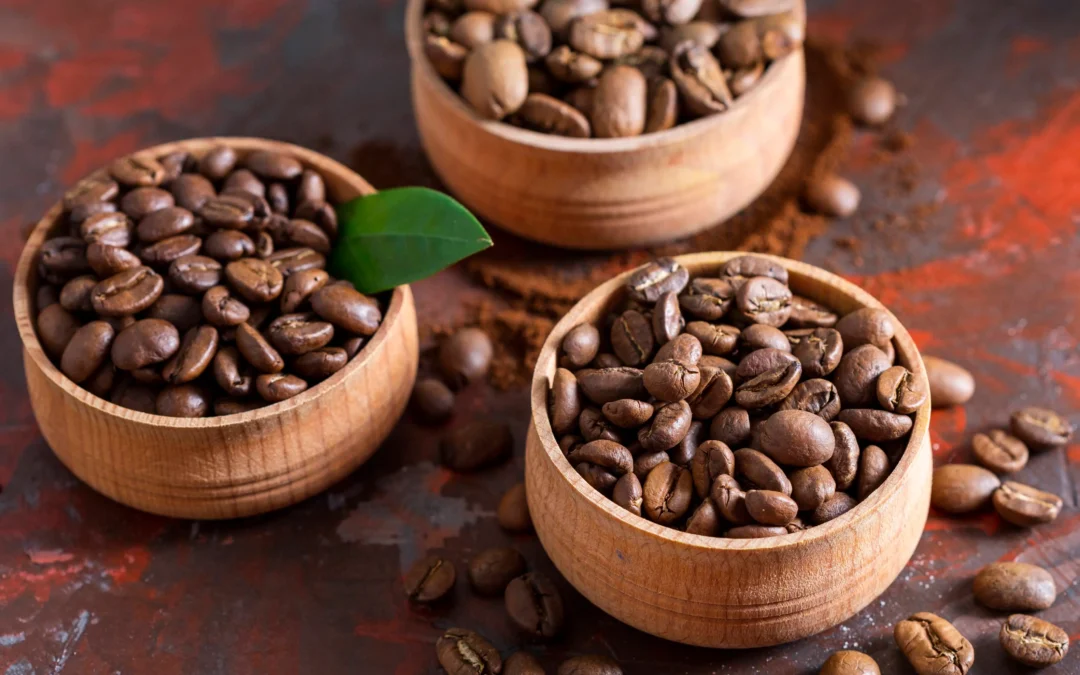
Source: Image by Freepik (freepik.com)