
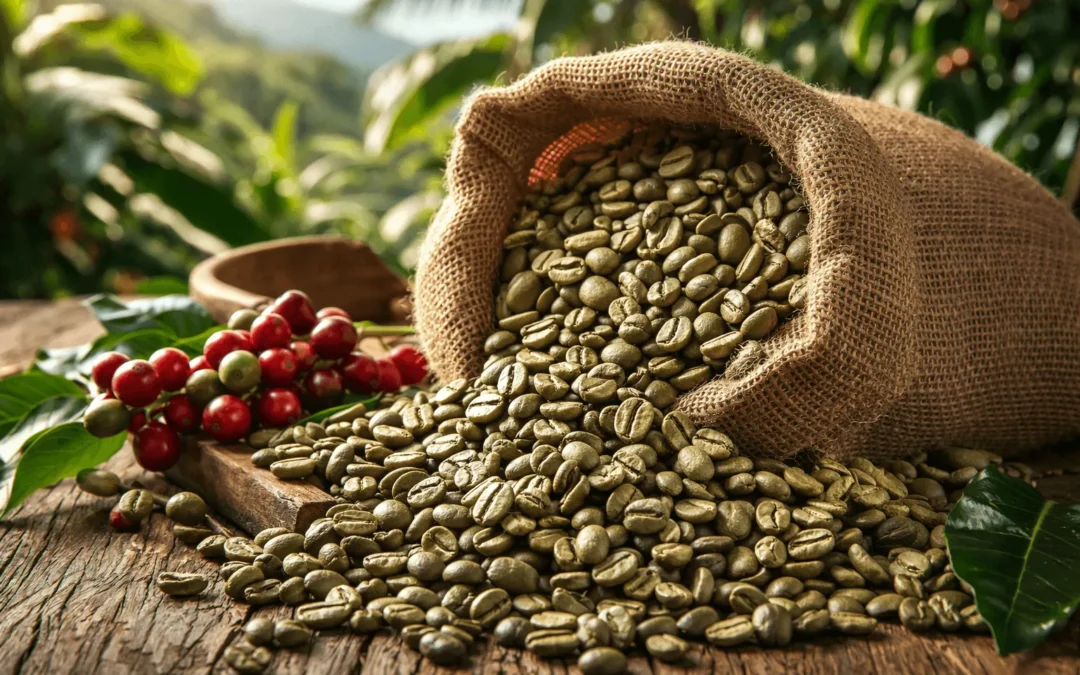
Green Bean Coffee Indonesia has become one of the most sought-after commodities in the global specialty coffee industry. From the volcanic highlands of Sumatra to the fertile regions of Java and Bali, Indonesia produces distinctive green coffee beans known for their bold flavor profiles and complex aromas.
But if you’re a coffee professional, roaster, café owner, or distributor, understanding how to source high-quality green beans from Indonesia can be challenging. What regions produce the best beans? How much do they cost? And where can you find reliable suppliers like Seminyak Brewspace?
In this guide, we’ll explore the Indonesian coffee landscape, the unique characteristics of its green beans, sourcing strategies, and why Indonesia remains a powerhouse in the specialty coffee market.
The Global Demand for Green Bean Coffee Indonesia
Indonesia ranks among the largest coffee producers in the world, exporting millions of bags annually. According to the International Coffee Organization and the Wikipedia entry on Indonesian coffee production, the country consistently ranks within the top 4–5 global coffee producers.
Indonesia produces primarily Arabica and Robusta beans, both widely used in specialty and commercial coffee roasting.
Why Indonesian Green Coffee Is Highly Valued
Several factors make Indonesian beans unique:
- Volcanic soil richness
- High-altitude plantations
- Traditional wet-hulling processing method
- Distinct flavor characteristics
Flavor notes commonly include:
- Chocolate
- Earthy spice
- Herbal tones
- Dark fruit sweetness
This complexity makes Green Bean Coffee Indonesia extremely popular among professional roasters looking for distinctive single-origin profiles.
For deeper information about Indonesian coffee cultivation, see the overview on Coffee Production in Indonesian.
Key Regions Producing Green Bean Coffee Indonesia
Indonesia’s geography plays a crucial role in coffee quality. The archipelago contains over 17,000 islands, many with volcanic soil ideal for coffee cultivation.
Sumatra Coffee
Sumatra is famous for full-bodied Arabica beans with earthy characteristics.
Key regions include:
- Mandheling
- Lintong
- Gayo Highlands
These beans often feature:
- Low acidity
- Heavy body
- Herbal or spicy notes
Java Coffee
Java is one of the oldest coffee-growing regions in the world.
Characteristics include:
- Smooth body
- Nutty flavors
- Balanced acidity
Historically, the term “Java coffee” became synonymous with coffee itself.
Bali and Flores Coffee
Bali Kintamani coffee is known for:
- Citrus brightness
- Floral aroma
- Clean finish
Flores beans often show chocolate and caramel tones, making them attractive for specialty roasting.
How Green Bean Coffee Indonesia Is Processed
Processing methods strongly affect flavor and quality.
Wet-Hulling Method (Giling Basah)
Indonesia is famous for Giling Basah, or wet-hulling.
Steps include:
- Coffee cherries are harvested.
- Beans are pulped and fermented.
- Beans are partially dried.
- Outer parchment layer removed early.
- Final drying occurs afterward.
This method creates the heavy body and earthy character often associated with Indonesian coffee.
Washed and Natural Processing
In recent years, specialty producers have also adopted:
- Fully washed processing
- Natural (dry) processing
- Honey processing
These methods produce cleaner, fruit-forward flavor profiles.
Where to Source Green Bean Coffee Indonesia for Your Business
For professionals seeking reliable sourcing, working with reputable suppliers is essential.
Local Exporters and Specialty Suppliers
Common sourcing options include:
- Coffee cooperatives
- Direct trade with farmers
- Export companies
- Specialty coffee hubs
Businesses like Seminyak Brewspace in Bali have become known as networking and sourcing spaces for coffee professionals looking to connect with Indonesian producers.
Benefits of Direct Trade
Direct trade relationships offer:
- Better traceability
- Higher farmer income
- Consistent bean quality
- Transparent pricing
For roasters, this ensures reliable supply chains and better storytelling for customers.
Seminyak Brewspace and the Rise of Specialty Coffee Hubs
The growth of specialty coffee in Indonesia has created collaborative spaces where professionals can learn, roast, and source beans.
Seminyak Brewspace is an example of such an ecosystem.
These hubs provide:
- Coffee cupping sessions
- Green bean sourcing opportunities
- Training and workshops
- Roasting equipment access
For coffee entrepreneurs entering the Indonesian market, spaces like this help bridge the gap between producers and global buyers.
If you’re exploring sourcing opportunities, visiting a specialty coffee hub can dramatically improve your understanding of bean quality and supply networks.
Pricing and Market Trends for Green Bean Coffee Indonesia
Prices for green coffee beans vary depending on several factors:
- Origin region
- Processing method
- Certification (organic, fair trade)
- Bean grade
- Export logistics
Average Price Ranges
Typical wholesale prices may range from:
| Coffee Type | Approx Price (per kg) |
|---|---|
| Robusta | $2 – $4 |
| Commercial Arabica | $4 – $7 |
| Specialty Arabica | $7 – $15+ |
Premium microlots may reach $20+ per kilogram in international markets.
Factors Affecting Price
Important price drivers include:
- Climate conditions
- Global coffee demand
- Supply chain logistics
- Exchange rates
According to the International Coffee Organization, global coffee consumption continues to rise, increasing demand for specialty beans.
How to Evaluate High Quality Green Coffee Beans
Professional buyers follow strict evaluation processes before purchasing green beans.
Key Quality Indicators
Look for:
- Uniform bean size
- Moisture level between 10–12%
- No visible defects
- Clean aroma
- Proper storage conditions
Cupping Process
Cupping evaluates flavor characteristics such as:
- Acidity
- Body
- Sweetness
- Balance
- Aftertaste
Many specialty coffee spaces—including those like Seminyak Brewspace—host cupping sessions where buyers can test different Indonesian beans before committing to large purchases.
Why Indonesia Remains a Global Coffee Powerhouse
Indonesia’s reputation in the coffee world continues to grow due to several factors:
- Rich biodiversity and volcanic soil
- Centuries of coffee cultivation
- Diverse regional flavor profiles
- Strong export infrastructure
Coffee cultivation began in Indonesia during the Dutch colonial period in the 17th century, making it one of the earliest coffee-producing regions outside Ethiopia and Yemen.
Today, the country exports beans to:
- United States
- Europe
- Japan
- South Korea
- Australia
This global reach strengthens the reputation of Green Bean Coffee Indonesia as a premium origin.
Frequently Asked Questions (FAQ)
Q: What is Green Bean Coffee Indonesia?
A: Green Bean Coffee Indonesia refers to raw, unroasted coffee beans grown in various regions across Indonesia such as Sumatra, Java, Bali, and Sulawesi. These beans are exported globally and later roasted by coffee roasters or cafés. Indonesian green beans are known for their bold body, earthy flavor notes, and complex aroma profiles.
Q: How can businesses source Green Bean Coffee Indonesia?
A: Businesses can source Indonesian green coffee through exporters, specialty coffee traders, cooperatives, or direct trade relationships with farmers. Coffee professionals also often visit specialty hubs like Seminyak Brewspace to participate in cupping sessions and connect with suppliers before making purchasing decisions.
Q: Why is Green Bean Coffee Indonesia important in the global coffee industry?
A: Indonesia is one of the largest coffee producers in the world. The country’s volcanic soil, tropical climate, and traditional processing methods create distinctive flavor profiles that are highly valued in specialty coffee markets worldwide.
Q: How much does Green Bean Coffee Indonesia typically cost?
A: Prices vary depending on quality, origin, and certification. Robusta beans may cost around $2–$4 per kilogram, while commercial Arabica beans range between $4–$7 per kilogram. Specialty-grade Indonesian Arabica can reach $7–$15 per kilogram or higher for premium microlots.
Q: How long does it take to source green coffee beans from Indonesia?
A: The sourcing process typically takes between 2 and 8 weeks. This timeline includes sample evaluation, negotiation with exporters or farmers, quality control checks, export documentation, and international shipping arrangements.
Q: Indonesian Arabica vs Robusta coffee beans, which is better?
A: It depends on the intended use. Arabica beans generally offer more complex flavor profiles and are preferred in specialty coffee roasting. Robusta beans contain higher caffeine levels and a stronger body, making them ideal for espresso blends and instant coffee production.
Q: What equipment or resources are needed to start sourcing green coffee beans?
A: Coffee professionals typically need reliable supplier networks, cupping knowledge for quality assessment, logistics partners for export and shipping, and roasting expertise. Building relationships with producers and specialty coffee communities can significantly improve sourcing success.
Q: When is the best time to buy Green Bean Coffee Indonesia?
A: The best time to purchase Indonesian green coffee is shortly after the harvest season, which generally runs between May and October, depending on the region. Buying during this period ensures fresher beans and better availability of specialty lots.
Conclusion
Indonesia remains one of the most exciting coffee origins in the world. From the earthy richness of Sumatra to the balanced sweetness of Java and the bright citrus notes of Bali, Green Bean Coffee Indonesia offers exceptional diversity for coffee professionals.
For roasters, distributors, and café owners, understanding the sourcing process, pricing structure, and regional characteristics is essential for success. Exploring specialty coffee communities and hubs such as Seminyak Brewspace can also open doors to direct trade relationships and premium bean access.
As the specialty coffee market continues to grow, Indonesian green beans will likely remain a cornerstone of the global coffee industry.
Sources
- https://en.wikipedia.org/wiki/Coffee_production_in_Indonesia
- https://www.ico.org (International Coffee Organization)
- https://www.scaa.org (Specialty Coffee Association)