
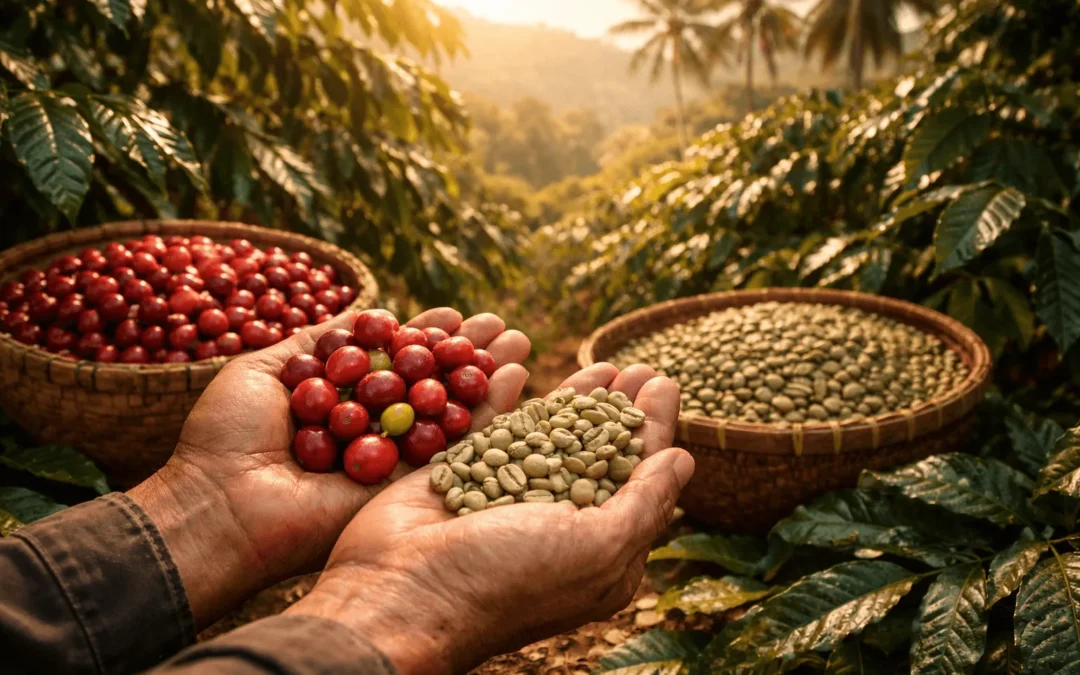
Indonesia has long been recognized as one of the world’s leading coffee producers. For coffee businesses, roasters, and hospitality professionals, finding the right Indonesian coffee supplier can be the difference between serving ordinary coffee and delivering a truly memorable experience.
From the volcanic slopes of Sumatra to the vibrant café culture of Bali, Indonesian coffee offers distinctive flavors that professionals worldwide are eager to source. In recent years, destinations like Seminyak Brewscape have become hubs where sourcing, roasting, innovation, and specialty coffee culture converge.
In this guide, we’ll explore how Indonesian suppliers operate, why professionals are increasingly sourcing beans from Indonesia, and how emerging coffee scenes like Seminyak are shaping global coffee trends.
Understanding the Indonesian Coffee Industry
Indonesia is the fourth-largest coffee producer in the world, producing hundreds of thousands of tons annually. According to data summarized by Wikipedia’s overview of Indonesian coffee production, the country exports coffee globally while also maintaining a strong domestic coffee culture.
Several factors make Indonesia unique in the coffee market:
- Diverse growing regions across more than 17,000 islands
- Volcanic soil, which enriches coffee flavor
- A mix of Arabica and Robusta varieties
- Traditional wet-hulling processing methods
These conditions create the rich, earthy flavors that many specialty coffee buyers seek.
Major Coffee-Producing Regions
Some of the most famous regions include:
| Region | Coffee Type | Flavor Profile |
|---|---|---|
| Sumatra | Arabica | Bold, earthy, low acidity |
| Java | Arabica | Smooth, chocolate notes |
| Sulawesi | Arabica | Complex, spicy |
| Bali | Arabica | Bright acidity, citrus hints |
| Flores | Arabica | Floral and sweet |
For professionals sourcing beans, working with an Indonesian coffee supplier who understands regional characteristics is crucial.
Why Professionals Choose an Indonesian Coffee Supplier
Coffee roasters, café owners, and distributors often choose Indonesian beans for several strategic reasons.
1. Distinctive Flavor Profiles
Indonesian coffees are famous for full body and complex flavors. Unlike Latin American coffees, which tend to have bright acidity, Indonesian beans often feature:
- Chocolate tones
- Herbal notes
- Earthy depth
These characteristics make them ideal for espresso blends and specialty roasting.
2. Specialty Coffee Growth
Indonesia’s specialty coffee movement has expanded dramatically over the past decade.
According to research highlighted by the International Coffee Organization, global demand for specialty coffee continues to rise. Indonesian producers have responded by improving:
- Farm traceability
- Direct trade partnerships
- Sustainable farming practices
This means modern suppliers can provide consistent, high-quality beans suitable for professional roasting.
3. Strategic Export Infrastructure
Indonesia has strong export capabilities through major ports such as:
- Jakarta
- Surabaya
- Makassar
Many suppliers now offer:
- Green bean export services
- Roasted coffee shipments
- Private label coffee solutions
For businesses looking to scale, choosing a reputable Indonesian coffee supplier helps ensure supply stability.
Indonesian Coffee Supplier Opportunities in Seminyak Brewscape
Bali is more than a tourism hotspot. It has evolved into one of Southeast Asia’s most exciting coffee destinations.
The emerging concept of Seminyak Brewscape reflects a growing ecosystem where:
- Specialty cafés
- Artisan roasters
- Coffee importers
- Hospitality professionals
all interact.
Why Seminyak Matters
Seminyak is known for its international hospitality scene, making it a natural testing ground for premium coffee concepts.
Here’s why professionals pay attention to the Seminyak Brewscape:
1. Global Coffee Audience
Tourists from Europe, Australia, and North America create demand for high-end coffee experiences.
2. Experimental Roasting Culture
Local roasters often experiment with:
- Natural fermentation processes
- Light roasting profiles
- Single-origin Indonesian beans
3. Networking Hub for Suppliers
Many Indonesian coffee suppliers collaborate with cafés and roasters in Seminyak to showcase new harvests and roasting techniques.
How to Evaluate a Reliable Indonesian Coffee Supplier
Choosing the right supplier requires more than simply comparing prices.
Professionals typically evaluate suppliers based on several factors.
Quality Control
Look for suppliers that provide:
- Sample roasting opportunities
- Detailed cupping notes
- Transparent grading systems
High-quality suppliers follow Specialty Coffee Association (SCA) standards.
Traceability
Modern coffee buyers increasingly demand farm-to-cup transparency.
A trustworthy supplier should provide:
- Farm location details
- Processing methods
- Harvest year and lot number
Sustainable Farming Practices
Sustainability is now a major purchasing factor.
Reliable suppliers often work with farmers practicing:
- Shade-grown cultivation
- Organic fertilization
- Water-efficient processing
Organizations like the Rainforest Alliance help certify sustainable coffee production practices.
Logistics and Export Expertise
Professional buyers must ensure that suppliers can handle export requirements such as:
- Phytosanitary certificates
- Shipping documentation
- Moisture-controlled packaging
The Role of Direct Trade in Indonesian Coffee Sourcing
Direct trade has become a growing trend among specialty coffee businesses.
Instead of purchasing beans through multiple intermediaries, companies work directly with an Indonesian coffee supplier or even individual farms.
Benefits include:
- Better farmer income
- Higher quality control
- More transparent sourcing
Many cafés within Seminyak Brewscape promote direct trade relationships to highlight ethical sourcing practices.
Future Trends in Indonesia’s Coffee Supply Market
Indonesia’s coffee industry is evolving rapidly. Professionals should watch several emerging trends.
1. Specialty Arabica Expansion
Regions like Aceh Gayo and Bali Kintamani are gaining global recognition.
These coffees often score highly in international cupping competitions.
2. Technology in Coffee Processing
Producers are experimenting with:
- Anaerobic fermentation
- Precision drying methods
- Digital farm tracking systems
3. Coffee Tourism
Coffee tourism is becoming a major industry in Indonesia.
Visitors can now tour plantations, attend cupping sessions, and explore coffee hubs like Seminyak Brewscape.
For suppliers, this exposure helps build international brand recognition.
Frequently Asked Questions (FAQ)
Q: What is an Indonesian coffee supplier?
A: An Indonesian coffee supplier is a company, exporter, or cooperative that sources and distributes coffee beans grown in Indonesia. These suppliers usually work directly with farmers or plantations to supply green beans, roasted coffee, or specialty coffee lots to roasters, cafés, distributors, and hospitality businesses worldwide.
Q: How can I find a reliable Indonesian coffee supplier?
A: Start by researching suppliers with a strong export track record, transparent sourcing practices, and consistent quality control. Professional buyers often request sample beans for cupping, verify certifications, and review supplier traceability information before committing to large purchases.
Q: Why is an Indonesian coffee supplier important for the global coffee industry?
A: Indonesia is one of the world’s largest coffee producers. An Indonesian coffee supplier plays a key role in connecting coffee farmers with global markets. They ensure quality standards, manage export logistics, and provide consistent supply for roasters and coffee businesses worldwide.
Q: How much does coffee from an Indonesian coffee supplier cost?
A: The price depends on bean quality, origin, processing method, and harvest season. Specialty Arabica beans typically range from $6 to $12 per kilogram, while premium micro-lot coffees or rare varietals may cost significantly more due to limited supply and higher quality.
Q: How long does it take to ship coffee from Indonesia internationally?
A: Shipping times depend on the destination and shipping method. Sea freight generally takes 3–6 weeks, while air freight can deliver coffee within 5–10 days. Most large coffee shipments use sea freight because it is more cost-effective.
Q: Indonesian coffee supplier vs coffee importer — which is better?
A: Buying directly from an Indonesian coffee supplier often offers better pricing and stronger traceability. However, coffee importers may simplify logistics, customs clearance, and shipping for buyers who are new to international coffee sourcing.
Q: What do businesses need to start sourcing coffee from Indonesia?
A: Businesses usually need an import license (depending on the country), a reliable supplier, quality evaluation tools like cupping protocols, and logistics partners to handle shipping and customs documentation.
Q: When is the best time to buy coffee from an Indonesian coffee supplier?
A: The best time to purchase coffee is typically right after the harvest season, when fresh beans become available. Harvest periods vary by region, but many Indonesian Arabica harvests occur between October and March, depending on the island and altitude.
Conclusion
Indonesia remains one of the most exciting coffee sourcing destinations in the world. With its rich volcanic soil, diverse regions, and growing specialty coffee culture, the country offers unique opportunities for coffee professionals.
Choosing the right Indonesian coffee supplier allows businesses to access exceptional beans while supporting sustainable farming communities. Meanwhile, emerging coffee hubs like Seminyak Brewscape showcase how Indonesian coffee continues to evolve on the global stage.
For cafés, roasters, and hospitality professionals seeking authentic flavor and reliable supply, Indonesia is a market worth exploring.
Sources:
https://en.wikipedia.org/wiki/Coffee_production_in_Indonesia
https://www.ico.org
https://www.rainforest-alliance.org