
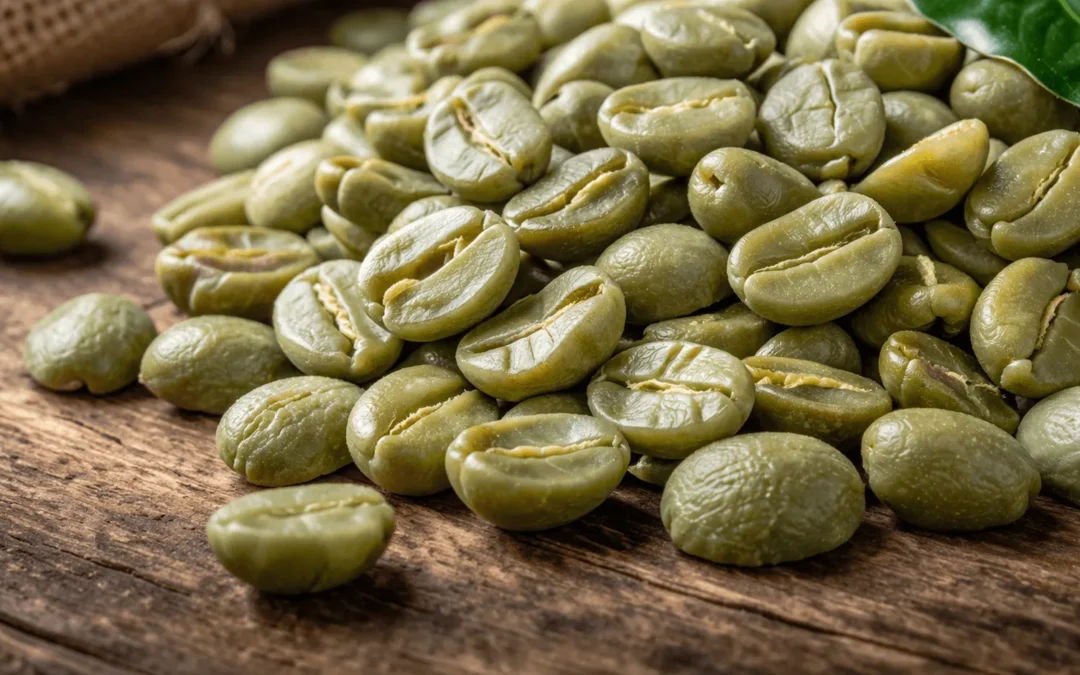
In today’s fast-growing specialty coffee market, Indonesian Green Coffee Beans for Asia have become a strategic focus for professionals seeking quality, sustainability, and competitive advantage. Whether you’re a roaster, importer, or café owner, understanding Indonesia’s coffee potential can help you stay ahead. So, what makes Indonesian beans so valuable—and how can you leverage them effectively?
Why Indonesian Green Coffee Beans for Asia Are Gaining Momentum
Indonesia is one of the world’s top coffee producers, ranking among the top five globally according to data from https://en.wikipedia.org/wiki/Coffee_production_in_Indonesia. Its unique geography and climate create beans with distinct flavor profiles that are highly valued across Asia.
Key Drivers Behind Demand Growth
- Rising middle-class consumers in Asia are demanding premium coffee
- Growth of specialty coffee culture in cities like Tokyo, Seoul, and Singapore
- Increasing interest in single-origin beans
Flavor Profiles That Stand Out
Indonesian beans are known for:
- Earthy and spicy notes
- Low acidity with full body
- Chocolate and herbal undertones
These profiles appeal strongly to Asian markets that prefer bold, rich coffee flavors.
Understanding the Supply Chain of Indonesian Green Coffee Beans for Asia
To succeed in sourcing, professionals must understand the journey from farm to export.
Major Coffee-Producing Regions
Indonesia’s key coffee regions include:
- Sumatra – Known for Mandheling and Gayo beans
- Java – Balanced and clean flavors
- Sulawesi – Complex and rich taste
Each region offers unique characteristics that influence pricing and demand.
Processing Methods and Their Impact
- Wet-hulling (Giling Basah): Common in Indonesia, producing earthy flavors
- Washed Process: Cleaner taste profile
- Natural Process: Fruity and sweet notes
👉 Choosing the right processing method can significantly impact your product positioning.
Seminyak Brewscape and Its Influence on Specialty Coffee Trends
The rise of Seminyak Brewscape reflects how local coffee culture is shaping global demand. This vibrant café ecosystem has become a testing ground for premium Indonesian beans.
Why Seminyak Matters
- Acts as a hub for coffee innovation
- Attracts international tourists and coffee professionals
- Encourages experimentation with brewing methods
Professional Insights from the Field
Many café owners report that customers increasingly ask about:
- Bean origin
- Sustainability practices
- Brewing techniques
👉 If you’re in the coffee business, this trend signals a shift toward transparency and storytelling.
Market Opportunities Across Asia for Indonesian Coffee
Asia is not just a consumer—it’s a growth engine.
Top Markets to Watch
| Country | Market Trend |
|---|---|
| Japan | High demand for specialty and premium beans |
| China | Rapid café expansion and e-commerce coffee sales |
| South Korea | Strong café culture and brand-driven consumption |
Emerging Opportunities
- Private label roasting brands
- Direct trade partnerships
- Sustainable sourcing certifications
👉 Want to scale your coffee business? Focus on traceability and brand differentiation.
Quality Standards and Certifications That Matter
Professional buyers must pay attention to quality benchmarks.
Important Certifications
- Fair Trade
- Rainforest Alliance
- Organic Certification
These certifications increase trust and marketability.
Quality Grading System
Indonesian coffee is graded based on:
- Bean size
- Defects
- Moisture content
👉 Higher-grade beans command premium prices and better export opportunities.
How to Source Indonesian Green Coffee Beans Effectively
Sourcing can make or break your coffee business.
Best Practices for Professionals
- Build direct relationships with farmers or cooperatives
- Attend coffee expos and trade shows
- Work with trusted exporters
Key Challenges to Watch
- Supply chain inconsistency
- Climate change impact
- Price volatility
👉 Always diversify your sourcing strategy to minimize risk.
Sustainability and Ethical Sourcing in Indonesian Coffee
Sustainability is no longer optional—it’s expected.
Environmental Considerations
- Shade-grown coffee practices
- Reduced pesticide use
- Water conservation
Social Impact
- Fair wages for farmers
- Community development programs
According to research from the International Coffee Organization, sustainable practices are increasingly influencing purchasing decisions globally.
Future Outlook of Indonesian Green Coffee Beans for Asia
The future looks promising, but competitive.
Trends to Watch
- Increased digital coffee trading platforms
- Growth of specialty micro-lots
- Rising demand for traceable supply chains
Expert Prediction
Professionals who invest in:
- Quality
- Branding
- Sustainability
…will dominate the Asian coffee market in the next decade.
FAQ
Q: What is Indonesian Green Coffee Beans for Asia?
A: It refers to unroasted coffee beans sourced from Indonesia and exported to Asian markets. These beans are valued for their unique flavor profiles, including earthy and full-bodied characteristics, making them popular among specialty coffee roasters.
Q: How to source Indonesian green coffee beans effectively?
A: You can source them through direct trade with farmers, exporters, or cooperatives. Attending trade shows and verifying certifications also helps ensure quality and reliability.
Q: Why is Indonesian coffee important for Asian markets?
A: Indonesian coffee offers flavor profiles that match Asian consumer preferences. Its proximity to Asian countries also reduces logistics costs and delivery times.
Q: How much does Indonesian green coffee cost?
A: Prices vary depending on quality, origin, and certification. Typically, it ranges from $3 to $10 per kilogram for specialty-grade beans.
Q: How long does it take to import Indonesian coffee beans?
A: Shipping typically takes 2–6 weeks, depending on the destination country, shipping method, and customs clearance processes.
Q: Indonesian vs Brazilian coffee beans, which is better?
A: It depends on preference. Indonesian beans are bold and earthy, while Brazilian beans are nutty and mild. Many professionals blend both for balance.
Q: What is needed to start importing green coffee beans?
A: You need supplier contracts, import licenses, logistics partners, and quality control processes to ensure consistency and compliance.
Q: When is the best time to buy Indonesian green coffee beans?
A: The best time is during harvest seasons, typically between May and October, when supply is fresh and prices are more competitive.
Conclusion
The market for Indonesian Green Coffee Beans for Asia continues to expand, driven by quality demand, cultural trends like Seminyak Brewscape, and sustainability awareness. For professionals, this presents a golden opportunity to build strong sourcing strategies and stand out in a competitive industry.
👉 Ready to elevate your coffee business? Start exploring Indonesian sourcing today and unlock premium growth potential.
Sources: