
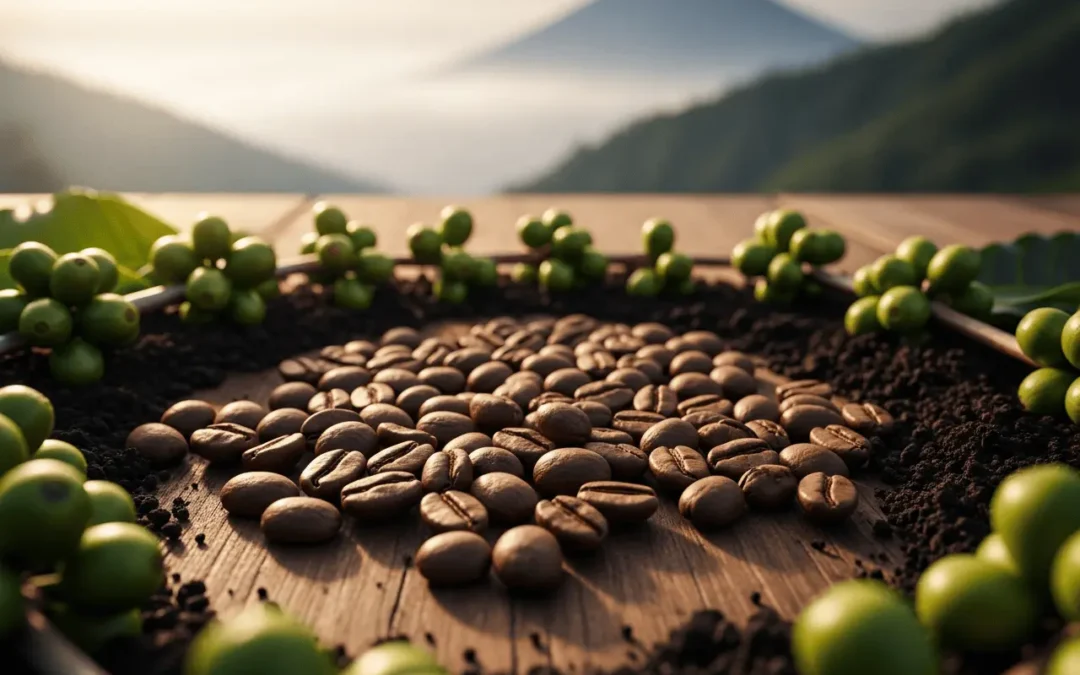
Explore why Indonesian specialty coffee stands out, from volcanic origins to regional characteristics, and how to brew it for the perfect cup.
Indonesian Specialty Coffee With a Fresh Perspective
Indonesian specialty coffee brings together volcanic soil, highland climates, and centuries of culture that shape its bold and diverse flavors. This article explores Indonesia’s most iconic coffee regions, how processing shapes taste, and how to choose and brew the right beans to enjoy every cup at its best.
Gayo and Sumatra Highlands Born from Earth and Mist
The Gayo Highlands in Aceh sit between 1,200 and 1,700 meters, where cool winds and fertile volcanic land shape dense, flavorful beans. Indonesian specialty coffee from this region is known for its heavy body and earthy depth. Many producers refine fermentation steps based on a detailed flavor analysis, helping them adjust temperature, drying pace, and bean selection for better balance.
Sumatra’s Mandheling and Lintong coffees follow the same deep, grounding character. Their herbal notes and cocoa-like finish make them ideal for drinkers who prefer strong, syrupy cups. The iconic wet-hulling method, known as giling basah, gives these beans their signature heavy feel. This method is often compared through a complete guide to coffee processing, showing how moisture levels at different drying stages influence mouthfeel and intensity.
The humidity of Sumatra makes full drying challenging, and wet-hulling offers a practical solution while preserving character. As a result, Indonesian specialty coffee from this island stands apart from African or Central American origins. For many coffee lovers, Sumatra is the foundation of understanding Indonesian flavor diversity.
Java, Bali, and Flores Islands of Clean and Bright Profiles
Moving east, Indonesia reveals a different side of flavor. Java’s highland plantations produce Indonesian specialty coffee with softer acidity and nutty sweetness. The volcanic plateau around Mount Ijen gives Java beans a stable taste profile that works well for both filter and espresso.
Bali offers a brighter, fruit-forward character. Kintamani coffee grows alongside citrus orchards, and this natural environment influences flavor subtly. Many farmers improve soil management and water use by following insights on sustainable farming practices, which guide terracing, organic fertilization, and shade-tree selection.
Flores differs again. Its beans often display floral aromas, woody sweetness, and moderate acidity. Small farming communities in Bajawa rely heavily on handpicking and sun-drying. Payment systems are shaped by a report on transparent coffee markets, allowing producers to remain competitive and maintain high standards. Because of this, Indonesian specialty coffee from Flores feels both refined and grounded in tradition.
Together, these islands show how one country can hold both heavy and bright profiles, all under one specialty umbrella.
Terroir Processing and the Real Science Behind Flavor
The taste of Indonesian specialty coffee is shaped by the interplay between climate, altitude, and soil. Volcanic soil contributes minerals that enhance sweetness and complexity. High altitudes slow cherry maturation, which increases the density and complexity of sugars. Many of these factors are charted in global coffee production trends, showing why Indonesia continues to stand out despite intense competition in the global market.
Processing plays as big a role as terroir. Wet-hulled beans develop heavy texture and earthy tones because their parchment is removed while still moist. Washed beans reveal clarity and acidity, while natural-processed beans show fruit and wine-like notes. Techniques continue to evolve through a detailed flavor analysis, helping farmers understand microbial activity and flavor outcomes.
This rich mix of natural conditions and human technique makes Indonesian specialty coffee unpredictable in the best possible way. No two regions taste alike, and no two harvests feel identical.
How the Specialty Movement Grew in Indonesia
Indonesia’s specialty revolution began as younger farmers and roasters sought to blend tradition with global expectations. Producers began to focus on traceability, micro-lots, and fermentation experiments. Many adopted eco-friendly systems shaped by insights on sustainable farming practices, which encourage biodiversity and long-term soil balance.
Fairer trade conditions became a priority as well. Smallholders benefit from market insights such as a report on transparent coffee markets, which break down how value travels from farm to export. These references help farmers negotiate prices and craft better business models.
As a result, Indonesian specialty coffee is not just rich in flavor but also increasingly shaped by education, collaboration, and transparency. The global market now searches actively for beans from regions like Gayo, Toraja, Bali, and Flores, recognizing their unique sensory identity.
Choosing Brewing and Maximizing the Experience
Selecting the right Indonesian specialty coffee comes down to personal taste. If you enjoy heavy, earthy cups, choose beans from Gayo, Mandheling, or Lintong. Their body works best in French press, moka pot, and immersion brewers.
For bright, clean profiles such as those from Bali, Java, or Flores, pour-over methods highlight their acidity and aromatics. Precision brewing often follows guides similar to a complete guide to coffee processing, where grind size, water temperature, and extraction time are calibrated for clarity.
When choosing beans, read labels carefully. Look for origin, altitude, processing type, and roast date. Indonesian specialty coffee varies widely, so these details are your roadmap to predicting flavor. For best results, grind fresh, use filtered water, and taste slowly to enjoy the layers that reveal themselves as the cup cools.
Conclusion
Indonesian specialty coffee reflects the archipelago’s landscapes, traditions, and creativity. From Sumatra’s bold depth to Bali’s citrus brightness and Flores’ floral elegance, every island brings its own voice. With mindful brewing and a little curiosity, each cup becomes a journey into the heart of Indonesia’s coffee heritage.