
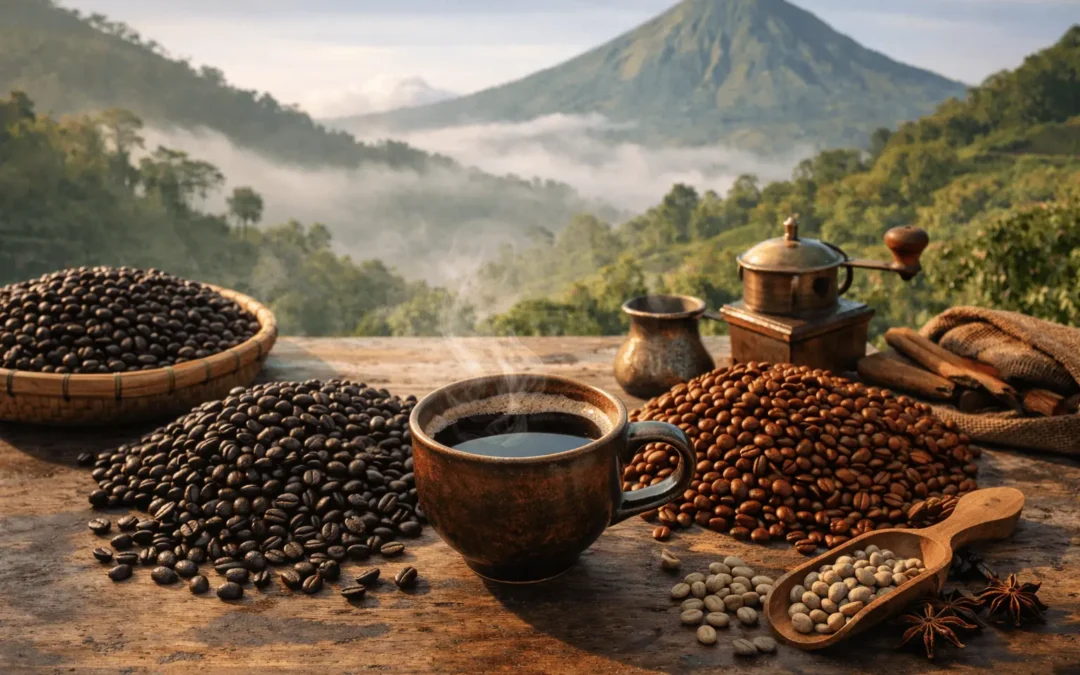
A deep, positive look at how geography, culture, and craftsmanship turned Indonesian coffee into a global icon
Why Indonesian Coffee Is Popular Worldwide
Why Indonesian coffee is popular worldwide reflects its rich heritage, diverse flavor profiles, distinctive processing methods, and deep cultural roots that have captured global admiration and demand. From specialty beans to iconic traditions, this article explores what makes Indonesian coffee stand out on the world stage.
Origins of Indonesian Coffee and Its Path to Global Culture
Indonesia’s coffee story begins in the late 17th century when the Dutch East India Company introduced coffee plants after acquiring seeds from Yemen. Java was the first island to cultivate coffee commercially, quickly becoming a major supplier for European markets. Over centuries, coffee cultivation spread across Sumatra, Sulawesi, Bali, and Papua, each region developing unique flavors shaped by its distinct terroir.
The archipelago’s geographic position near the equator provides optimal tropical climates, rich volcanic soils, and varied altitudes ideal for coffee growth. These conditions allow both Arabica and Robusta coffee varieties to thrive. Indonesia is now among the top four coffee producers globally, contributing a significant share of the world’s coffee supply.
Historically, Indonesian coffee was often exported in bulk, particularly Robusta beans, which are robust and well-suited for espresso blends. Arabica cultivation, which prefers higher altitudes and cooler climates, became more prominent in mountainous areas such as Gayo and Toraja.
Over time, Indonesia’s coffee began to gain recognition not just for volume but for distinctive regional profiles—earthy, full-bodied Sumatra coffee, smooth and sweet Java beans, and balanced Sulawesi brews have all earned renown among coffee roasters and enthusiasts. These distinctive profiles are rooted in factors like soil composition, rainfall variation, and local traditions, offering a palette of flavors that draws global interest.
Indonesian coffee’s long history, coupled with its geographical diversity, set the foundation for its worldwide popularity. Today, heritage regions like Java continue to influence coffee culture far beyond Indonesia’s shores, making the country’s beans integral to global blends and specialty coffee menus.
Unique Flavors and Traditional Processing That Define Indonesian Beans
One of the most compelling reasons why Indonesian coffee is popular worldwide is the complex and unique flavor profiles that emerge from the country’s diverse growing regions. Indonesian coffees often display full body, low acidity, and earthy, spicy, or herbal notes—qualities that differentiate them from beans grown in Africa or Latin America.
These distinctive tastes are influenced by the Giling Basah (wet-hulling) processing method widely used by Indonesian smallholders. This technique, which partially removes the coffee’s husk during the wet phase, contributes to the beans’ rich texture and heavier body, making Indonesian Arabica particularly sought after in specialty circles.
Specific regional coffees have become celebrated on the world stage. Sumatra Mandheling is known for its earthy sweetness and complex body, while Gayo coffee offers floral and citrus undertones. Toraja beans from Sulawesi deliver a dynamic range of flavors with hints of chocolate and ripe fruit. These regional signatures have made Indonesian coffee a favorite among specialty roasters and baristas worldwide.
Another unique facet is Kopi Luwak, often cited as one of the world’s most expensive coffees. Produced from beans passed through the digestive tract of the Asian palm civet, Kopi Luwak attracts global attention for its novelty and price point, although it remains a niche product and subject to ethical debate.
Together, Indonesia’s varied flavor profiles and traditional processing methods create an unmistakable identity that captivates consumers across markets, reinforcing the global appreciation for Indonesian coffee’s rich sensory experiences.
Indonesia’s Role in the Global Coffee Economy and Coffee Exports
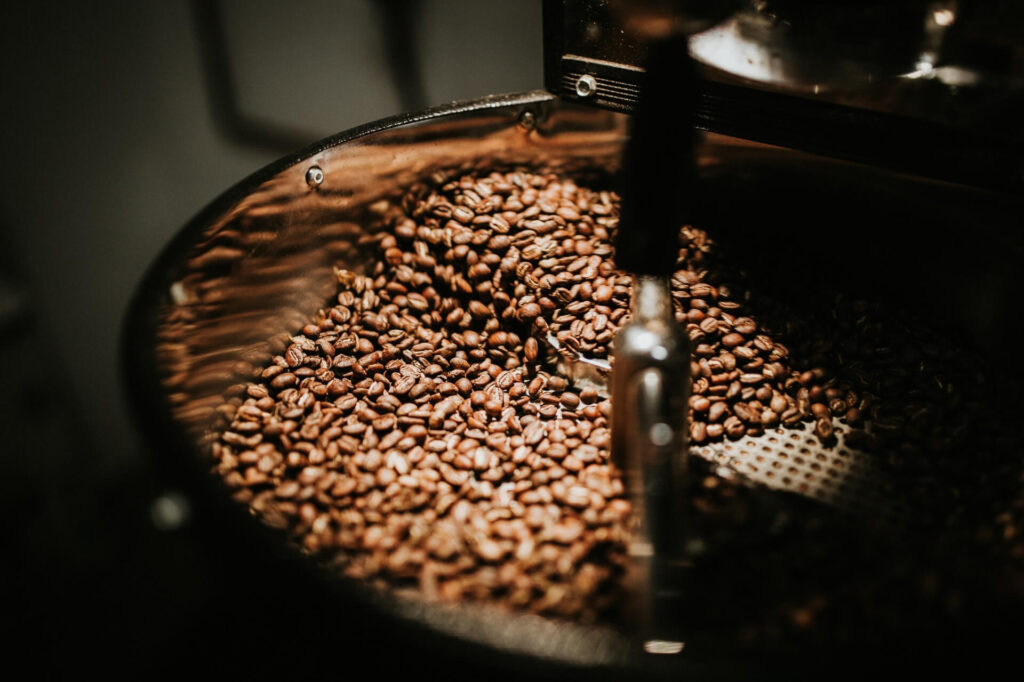
Indonesia’s position as a major coffee exporter is central to why Indonesian coffee is popular worldwide. The country accounts for a significant portion of global coffee production and export volumes, making its beans accessible to international markets in Europe, North America, and Asia.
In terms of output, both Arabica and Robusta beans contribute to Indonesia’s export profile, with Robusta dominating overall production due to its resilience and suitability to lower elevations. Arabica beans, prized for specialty markets, are grown at higher altitudes and often command premium pricing in global auctions.
Beyond raw export numbers, Indonesian coffee has been a staple in blended coffees for centuries. Traditional blends like Mocha Java—pairing Yemeni coffee with Indonesian beans—illustrate how Indonesian coffee has been woven into global coffee traditions since the 18th century.
Coffee also supports livelihoods at a massive scale. Millions of smallholder farmers across the archipelago rely on coffee as a key cash crop. These communities are central to both local economies and the broader supply chain that feeds international demand.
More recently, specialty coffee markets have fueled increased global interest in Indonesian beans. As consumers seek unique single-origin coffees and high-quality roasts, Indonesian coffees have found new audiences and elevated presence in cafés and competitions.
Cultural Influence and Coffee Traditions That Echo Worldwide
Indonesian coffee culture goes beyond agriculture and export—it’s deeply embedded in daily life and social rituals, which also contributes to why Indonesian coffee is popular worldwide. Traditional coffee preparation styles like Kopi Tubruk—where hot water is poured over finely ground coffee—reflect how coffee is enjoyed locally and provide cultural context for its global appeal.
Local coffee culture thrives not only in rural areas but also in urban settings, where cafes have become hubs for creativity and community. Indonesian coffee chains like Kopi Kenangan are expanding beyond domestic borders, introducing Indonesian-style coffee drinks abroad and adding to global awareness.
Coffee’s role in Indonesian social life has made it more than just a commodity; it’s a symbol of hospitality, tradition, and connection. As international travelers and expatriate communities share Indonesian coffee experiences, this cultural resonance helps sustain global fascination.
Future Prospects, Challenges, and Sustainability of Indonesian Coffee
Looking ahead, the global popularity of Indonesian coffee continues to grow, but the industry faces challenges. Climate change, aging coffee trees, and limited access to advanced agricultural technology pose risks to future yield and quality.
Efforts to improve sustainability, boost specialty coffee education, and strengthen supply chains are underway. Organizations both within Indonesia and internationally are collaborating to preserve quality while expanding market reach. These initiatives aim to protect the cultural and economic value of Indonesian coffee for future generations.
Conclusion
Indonesian coffee’s global popularity stems from its unique flavors, rich history, diverse growing regions, and deep cultural traditions that resonate with coffee lovers everywhere. Its significant role in the global coffee market and evolving specialty offerings ensure Indonesian coffee remains an enduring favorite on the world stage.