
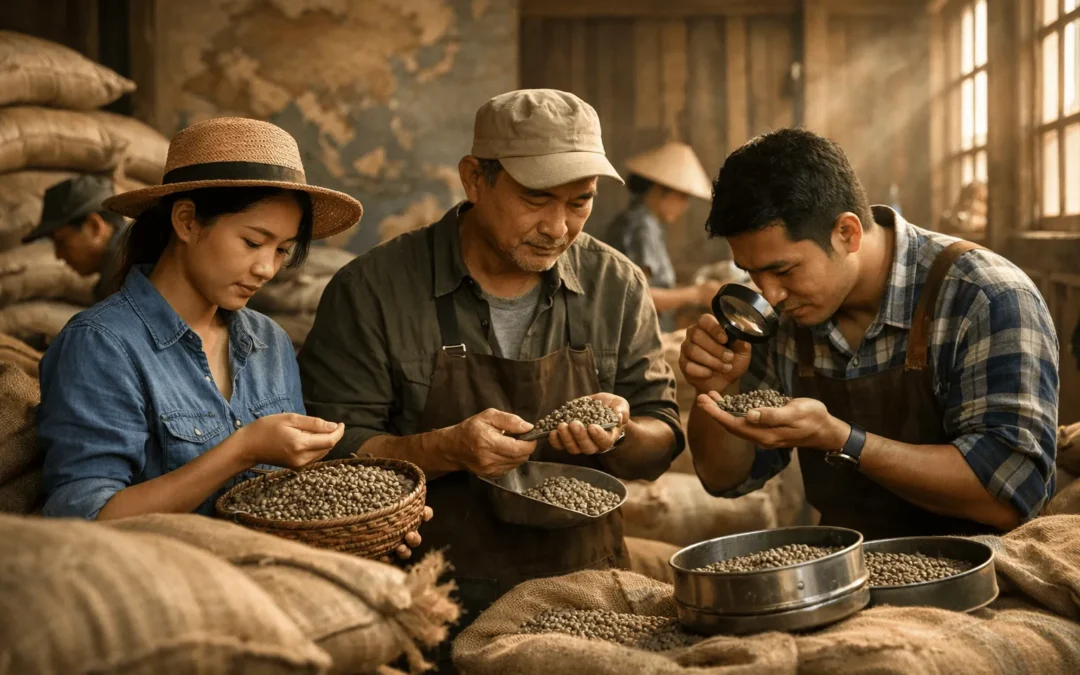
The role of a Coffee Beans Importer Asia has become increasingly strategic in today’s global coffee trade. With Asia emerging as both a major consumer and supplier, professionals in the coffee industry must understand sourcing dynamics, supplier relationships, and market trends.
Are you struggling to find reliable suppliers or optimize your coffee sourcing strategy? In this guide, we’ll explore actionable insights, including how companies like Seminyak Brewscape and leading Indonesian coffee bean importers operate successfully.
Understanding Coffee Beans Importer Asia and Market Dynamics
Asia plays a dual role in the coffee ecosystem—both as a growing consumer market and a key exporter. Countries like Indonesia and Vietnam are among the largest coffee producers globally.
According to Wikipedia – Coffee production, Indonesia ranks among the top producers worldwide, making it a critical hub for sourcing.
Key Market Drivers
- Rising demand for specialty coffee
- Expansion of café culture across Asia
- Increased focus on sustainable sourcing
Why Asia Matters
- Competitive pricing
- Diverse flavor profiles
- Strong export infrastructure
A professional Coffee Beans Importer Asia must balance cost, quality, and supply chain reliability.
Coffee Beans Importer Asia Strategies for Sustainable Sourcing
Sustainability is no longer optional—it’s a business necessity.
Best Practices for Ethical Sourcing
- Partner with certified farms (Fair Trade, Rainforest Alliance)
- Ensure traceability of beans
- Invest in long-term supplier relationships
Case Insight: Indonesia Coffee Beans Importer
Indonesia offers unique varieties like Sumatra Mandheling and Java Arabica. Importers often:
- Work directly with cooperatives
- Visit farms for quality control
- Build transparent pricing models
This approach ensures both quality and ethical compliance.
Exploring Seminyak Brewscape and Regional Coffee Trends
Seminyak Brewscape represents the modern coffee culture in Indonesian, blending premium sourcing with experiential branding.
What Makes Seminyak Brewscape Unique
- Focus on specialty-grade beans
- Strong branding and customer experience
- Collaboration with local farmers
Emerging Trends in Asia
- Third-wave coffee movement
- Increased demand for single-origin beans
- Digital supply chain tracking
For importers, aligning with these trends can significantly boost competitiveness.
How to Choose the Right Coffee Beans Importer Asia Partner
Selecting the right partner can make or break your business.
Evaluation Criteria
- Quality Assurance
- Cupping scores
- Certifications
- Logistics Capability
- Shipping timelines
- Storage conditions
- Pricing Transparency
- Clear cost breakdown
- No hidden fees
Red Flags to Avoid
- Inconsistent supply
- Lack of documentation
- Poor communication
Tip: Always request samples before committing to bulk orders.
Cost Structure of Coffee Beans Importing in Asia
Understanding costs helps optimize margins.
Key Cost Components
- Raw coffee bean price
- Shipping and freight
- Import duties and taxes
- Storage and handling
Estimated Cost Breakdown
| Component | Percentage |
|---|---|
| Raw Beans | 50-60% |
| Logistics | 20-30% |
| Duties | 10-15% |
| Miscellaneous | 5-10% |
Want to reduce costs? Consider direct trade models with farmers.
Supply Chain Challenges and Solutions in Asia
Even experienced importers face challenges.
Common Issues
- Weather disruptions
- Price volatility
- Regulatory changes
Solutions
- Diversify supplier base
- Use forward contracts
- Implement digital tracking systems
According to International Coffee Organization, price fluctuations are a major concern, making risk management essential.
Future Outlook for Coffee Beans Importer Asia
The future looks promising, but competitive.
Key Predictions
- Increased demand for sustainable coffee
- Growth of e-commerce coffee distribution
- AI-driven supply chain optimization
Opportunities
- Specialty coffee niche markets
- Private label branding
- Direct-to-consumer models
Professionals who adapt quickly will gain a significant advantage.
FAQ
Q: What is Coffee Beans Importer Asia?
A: Coffee Beans Importer Asia refers to businesses or professionals sourcing and importing coffee beans within or from Asia. They manage supplier relationships, logistics, quality control, and compliance, ensuring consistent supply for roasters, cafés, and distributors.
Q: How to choose a Coffee Beans Importer Asia partner?
A: Evaluate quality standards, certifications, logistics capabilities, and pricing transparency. Request samples, check references, and ensure they have a reliable supply chain and clear communication practices.
Q: Why is Coffee Beans Importer Asia important?
A: Asia is a major coffee producer and a growing consumer market. Importers help bridge supply and demand, ensuring quality sourcing, cost efficiency, and access to diverse coffee profiles.
Q: How much does Coffee Beans Importer Asia cost?
A: Costs vary but typically include raw bean prices, shipping, duties, and storage. On average, logistics and duties can account for 30–45% of total costs.
Q: How long does coffee importing take in Asia?
A: Import timelines range from 2–8 weeks depending on origin, shipping method, and customs processes. Efficient logistics partners can reduce delays significantly.
Q: Indonesia Coffee Beans Importer vs Vietnam suppliers, which is better?
A: Indonesia offers unique specialty flavors, while Vietnam excels in volume and cost efficiency. The best choice depends on your business goals—quality vs. scale.
Q: What is needed to start importing coffee beans?
A: You need supplier agreements, import licenses, logistics partners, quality testing processes, and compliance with local regulations.
Q: When is the best time to import coffee beans?
A: The best time aligns with harvest seasons in producing countries. Importing shortly after harvest ensures freshness and better pricing.
Conclusion
Becoming a successful Coffee Beans Importer Asia requires more than just sourcing—it demands strategic thinking, strong partnerships, and market awareness.
Whether you’re exploring opportunities with Seminyak Brewscape or working with an Indonesia Coffee Beans Importer, the key lies in balancing quality, cost, and sustainability.
Ready to elevate your coffee sourcing strategy? Start building strong supplier relationships today.
Sources: