
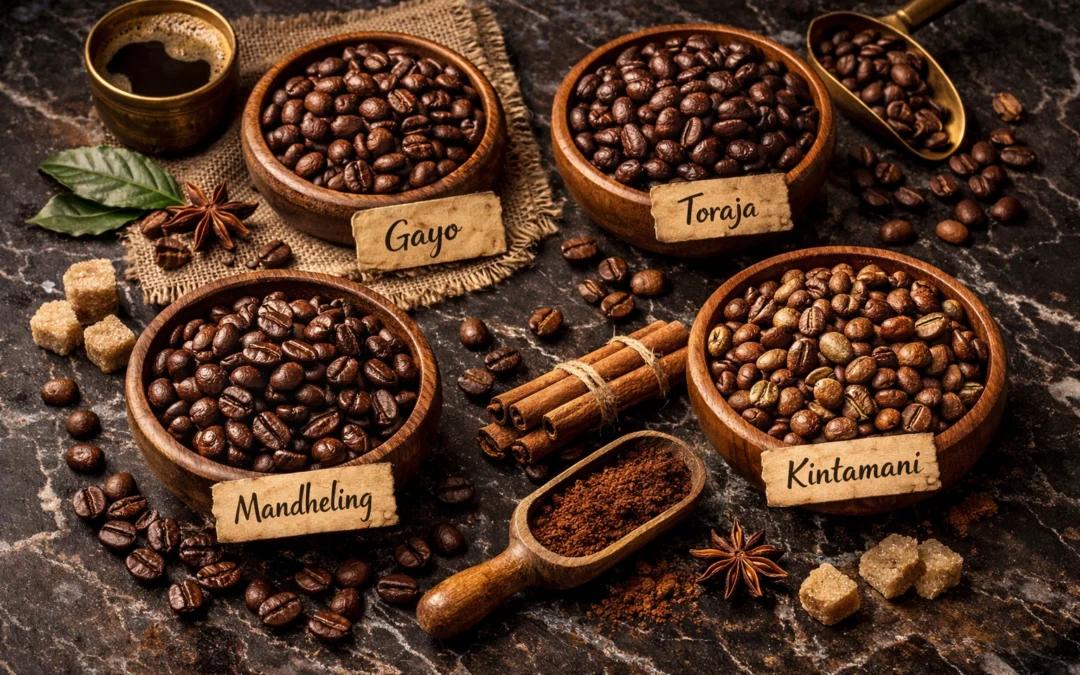
If you’ve ever wondered Which Indonesian Coffee is Best, you’re not alone. Indonesia is one of the world’s largest coffee producers, yet choosing the right bean can feel overwhelming. From earthy Sumatran brews to bright Balinese notes, each region offers a distinct flavor profile. In this article, you’ll discover the best Indonesian coffees, how they differ, and how to choose the perfect one for your taste—especially if you’re exploring premium coffee culture like Seminyak Brewscape.
Why Indonesian Coffee Is Globally Respected
Indonesia ranks among the top coffee-producing countries globally, contributing roughly 7–8% of the world’s coffee supply according to data from the International Coffee Organization. Its unique geography—volcanic soil, tropical climate, and high-altitude farms—creates ideal growing conditions.
Key Factors Behind Quality
- Volcanic soil richness enhances mineral content
- Traditional processing methods like wet-hulling (giling basah)
- Diverse microclimates across islands
- Hand-picked beans ensure quality control
For professionals and coffee enthusiasts, these factors translate into complex, bold, and often earthy flavor profiles that stand out in global markets.
Curious about coffee sourcing? Explore our guide on sustainable coffee practices (internal link).
Which Indonesian Coffee is Best Based on Region
Choosing Which Indonesian Coffee is Best depends heavily on origin. Each region offers a unique taste experience.
Sumatra Coffee
- Flavor: Earthy, full-bodied, low acidity
- Best for: Espresso lovers
- Known for Mandheling and Lintong varieties
Java Coffee
- Flavor: Smooth, slightly sweet, medium body
- Best for: Balanced daily drinking
- Historically, one of the first exported coffees
Sulawesi Coffee
- Flavor: Rich, spicy, complex
- Best for: Advanced palates
- Grown in the Toraja highlands
Bali Coffee
- Flavor: Bright acidity, fruity notes
- Best for: Pour-over enthusiasts
- Popular in Seminyak Brewscape cafes
Flores Coffee
- Flavor: Chocolatey, floral hints
- Best for: Specialty coffee lovers
Want brewing tips? Check our manual brewing techniques guide.

Understanding Flavor Profiles and Processing Methods
To answer Which Indonesian Coffee is Best, you must understand how processing affects taste.
Wet-Hulling Method
Indonesia’s signature method, giling basah, produces:
- Lower acidity
- Heavy body
- Earthy tones
Washed Process
- Cleaner taste
- Brighter acidity
- More common in Bali
Natural Process
- Fruity and sweet
- Less common but growing in popularity
According to research from the International Coffee Organization, processing methods significantly influence final cup characteristics, often more than origin alone.
Seminyak Brewscape and Modern Coffee Culture
In Bali, Seminyak Brewscape has become a hotspot for coffee professionals and enthusiasts. This area blends traditional Indonesian beans with modern brewing techniques.
What Makes It Unique
- Specialty coffee shops focusing on single-origin beans
- Skilled baristas experimenting with extraction methods
- Emphasis on traceability and sustainability
Popular Brewing Styles
- V60 pour-over
- Cold brew
- Espresso-based drinks
If you’re a professional exploring trends, visiting Seminyak offers real-world insight into how Indonesian coffee is evolving.
Discover more about specialty coffee trends in Southeast Asia (internal link).
How to Choose the Best Indonesian Coffee for You
Still asking Which Indonesian Coffee is Best? The answer depends on your preferences.
Consider These Factors
1. Flavor Preference
- Earthy → Sumatra
- Bright → Bali
- Balanced → Java
2. Brewing Method
- Espresso → Sumatra or Sulawesi
- Pour-over → Bali or Flores
3. Roast Level
- Dark roast enhances body
- Light roast highlights acidity
4. Experience Level
- Beginner → Java
- Advanced → Sulawesi
Health Benefits of Indonesian Coffee
Beyond taste, Indonesian coffee offers several health benefits when consumed in moderation.
Key Benefits
- Rich in antioxidants
- May improve mental focus
- Supports metabolism
- Contains essential nutrients like magnesium
According to Harvard Health Publishing, moderate coffee consumption is linked to reduced risk of certain chronic diseases.
Common Mistakes When Choosing Indonesian Coffee
Avoid these pitfalls when selecting your beans:
- Ignoring origin labels
- Buying pre-ground coffee (loses freshness)
- Choosing based on price alone
- Not matching coffee to brewing method
Professionals know that freshness and sourcing matter more than branding.
Frequently Asked Questions (FAQ)
Q: What is Which Indonesian Coffee is Best?
A: It refers to identifying the highest-quality Indonesian coffee based on factors like origin, flavor profile, processing method, and brewing preference. Since Indonesia produces a wide variety of beans, the “best” coffee depends on individual taste and intended use, whether for espresso, pour-over, or cold brew.
Q: How do you choose the best Indonesian coffee?
A: Start by identifying your flavor preference—earthy, fruity, or balanced. Then match it with a region such as Sumatra for bold flavors or Bali for brighter notes. Consider roast level and brewing method to ensure the coffee suits your daily routine or professional needs.
Q: Why is Which Indonesian Coffee is Best important?
A: Choosing the right coffee enhances your overall experience and ensures you get the best quality for your investment. It also supports ethical sourcing and sustainable farming practices when you select reputable producers.
Q: How much does high-quality Indonesian coffee cost?
A: Premium Indonesian coffee typically costs between $10 and $30 per 250 grams. Specialty-grade beans may cost more due to better processing, traceability, and higher quality standards.
Q: How long does it take to brew the best Indonesian coffee?
A: Brewing time depends on the method. Espresso takes around 25–30 seconds, while pour-over methods like V60 require about 2–3 minutes. French press brewing usually takes 4 minutes for optimal extraction.
Q: Sumatra vs Bali coffee which is better?
A: Sumatra coffee is known for its bold, earthy, and full-bodied flavor, making it ideal for espresso lovers. Bali coffee offers a brighter, more citrusy profile, perfect for lighter brewing methods. The better choice depends on your personal taste preference.
Q: What do you need to enjoy the best Indonesian coffee?
A: You’ll need freshly roasted beans, a quality grinder, clean filtered water, and suitable brewing equipment such as a French press, espresso machine, or pour-over dripper. Proper storage is also essential to maintain freshness.
Q: When is the best time to drink Indonesian coffee?
A: Morning is the most common time due to caffeine’s energizing effect. However, lighter roasts like Bali coffee can also be enjoyed in the afternoon without overwhelming your system, making them suitable for extended work sessions.
Conclusion
So, Which Indonesian Coffee is Best? The truth is—it depends on you. Whether you prefer the bold intensity of Sumatra or the bright elegance of Bali, Indonesia offers something for every coffee lover. For professionals, exploring regions like Seminyak Brewscape provides deeper insight into quality and innovation.
Ready to elevate your coffee experience? Start exploring Indonesian single-origin beans today.
Sources: